Reliable modular office furniture sourcing starts with verified factory audits, clear spec sheets, and realistic minimum order quantities. This guide breaks down supplier qualification, material selection, and contract terms to help buyers secure consistent quality and competitive pricing for commercial seating and storage units.
- Verify factory capacity and production history before committing to large volume orders.
- Request detailed spec sheets covering frame materials, upholstery, and hardware to avoid disputes.
- Define realistic minimum order quantities that align with your project schedule and budget.
- Include clear acceptance criteria and warranty terms in the supply agreement.
Why Supplier Qualification Comes First
Modular office furniture sourcing fails when buyers focus only on unit price. A low quote often hides weak structural integrity, inconsistent finish quality, or missed delivery dates. Commercial seating and storage systems face heavy daily use, so the supply chain must handle pressure without failure.
Start by identifying three to five potential office furniture suppliers in regions with established manufacturing infrastructure. Request company profiles, factory photos, and references from recent commercial clients. Do not rely on catalog images alone. Ask for documentation that proves the facility operates under consistent quality control. Look for ISO 9001 certificates or equivalent management system audits. Check whether the supplier has dedicated testing labs for load testing and abrasion resistance. If a supplier cannot provide these documents, their quality claims are weak.
For a mid-size office fit-out, a single supplier handling both seating and storage simplifies coordination. Mixing vendors creates compatibility issues. A modular system depends on consistent dimensions, mounting points, and finish matches. If the chair and the credenza come from different factories, small size variances can ruin the look. A 5 mm difference in a credenza height can make a desk look misaligned. A mismatched powder coat color between a desk frame and a shelf bracket creates visual noise in a professional setting.
What to Include in a Modular Furniture Spec
A clear spec sheet prevents most supply problems. It defines exactly what the factory builds and how it must perform. Vague descriptions like “premium leather” or “durable frame” lead to arguments during inspection.
The spec should cover frame construction, upholstery materials, hardware, and finish. For seating, specify the steel tube gauge or aluminum alloy. A 1.2 mm steel tube may flex under heavy use, while a 1.5 mm tube holds its shape better. Aluminum frames are lighter but can dent if struck. Define the joint type. Welded joints need reinforcement to prevent cracking at the weld points. Bolted joints allow for disassembly and easier repair.
For storage, define the plywood grade or particleboard thickness and the edge banding method. Plywood is stronger for heavy loads. Particleboard is cheaper but absorbs moisture if the edge banding fails. Specify the edge banding material. PVC is standard and durable. ABS offers a smoother finish but costs more. Include dimensions to the millimeter where alignment matters. A desk drawer must slide smoothly. If the drawer width is 2 mm too wide, it binds. If it is 2 mm too narrow, it wobbles.
Upholstery requires attention to foam density and cover material. A standard office chair uses mid-density polyurethane foam for comfort over time. A 25 kg/m3 foam density may sag within a year. A 35 kg/m3 density lasts longer. Specify the foam type. High-resilience foam maintains its shape better than standard polyurethane. The cover material must resist abrasion and stains. Request swatches before production starts. Color matching across different product lines is difficult without physical samples. Test the fabric under different lighting conditions. Office lighting changes how colors appear. A fabric that looks grey in the showroom may look blue in the actual office.
Hardware is often overlooked. Gas cylinders, casters, and adjustment mechanisms determine how long the product functions properly. Ask the supplier to provide the manufacturer and model number for key components. This allows you to verify durability and serviceability. A gas cylinder rated for 120 kg may fail after six months of daily use. A cylinder rated for 150 kg lasts longer. Specify the caster type. Hard plastic casters are quiet but wear on wood floors. Nylon casters are durable but can scratch. Specify the adjustment mechanism. A tilt mechanism determines how easily the chair reclines. A broken mechanism makes the chair unusable.
Evaluating Factory Production Capability
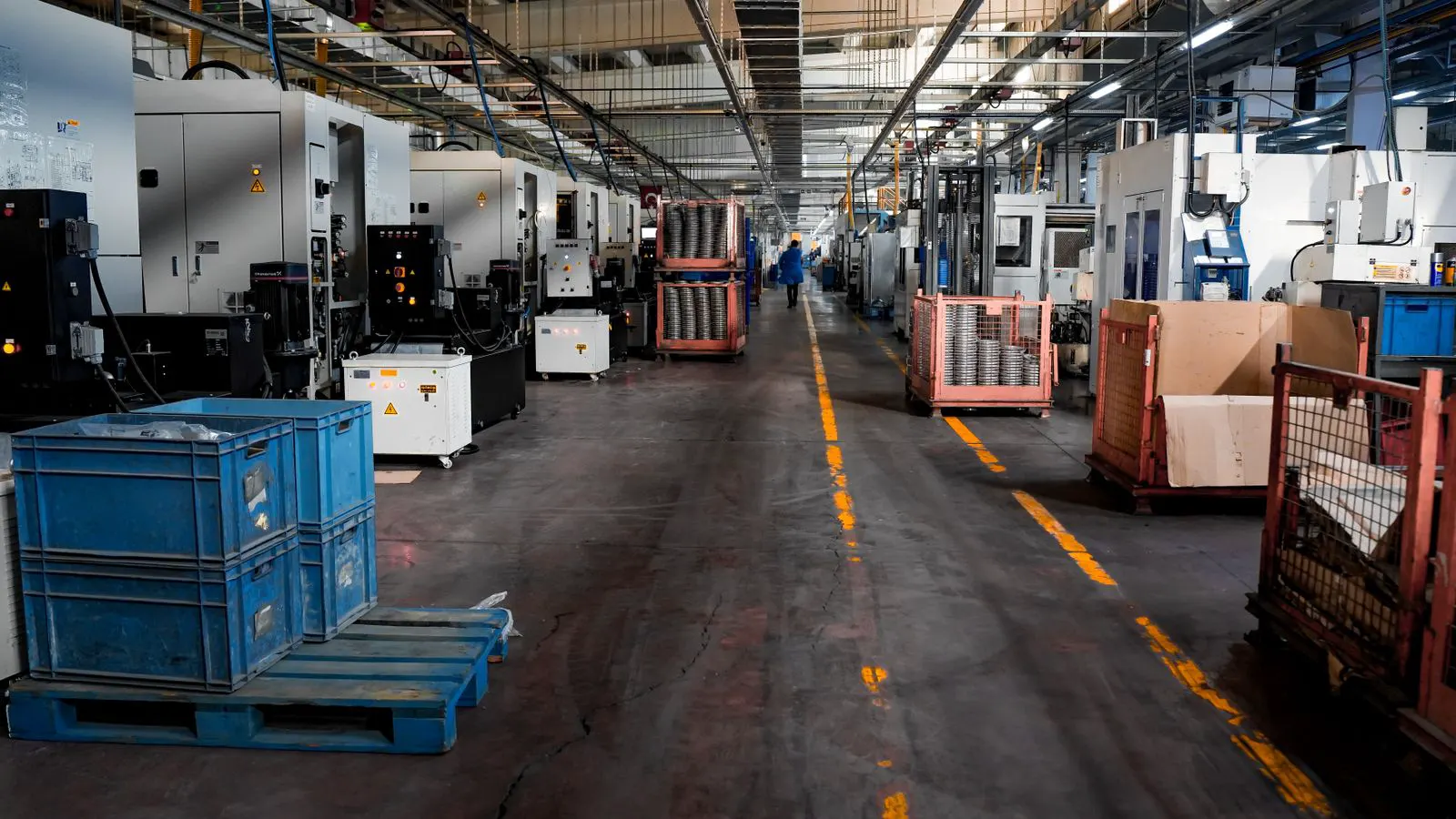
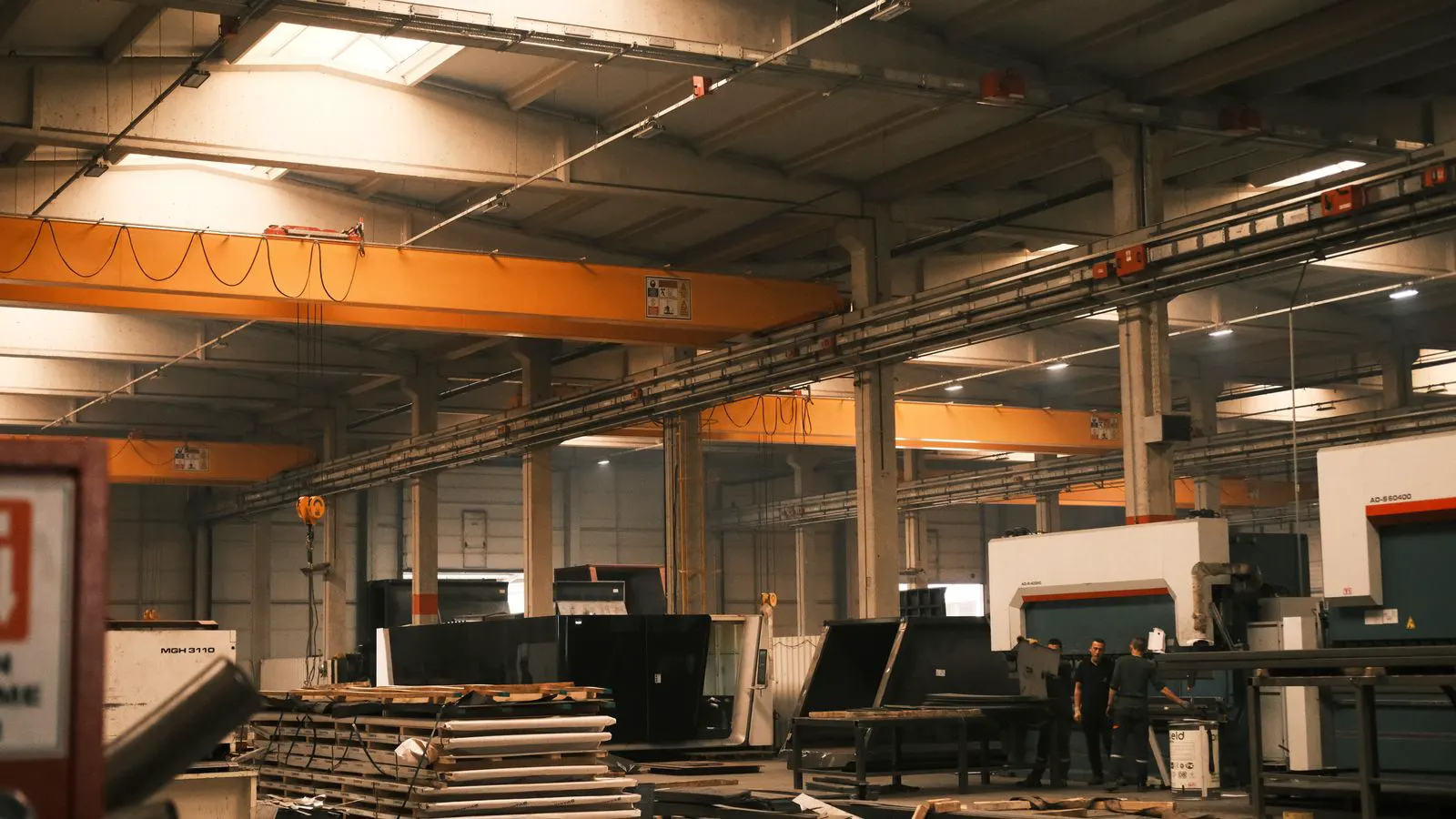
Capacity determines whether a supplier can meet your timeline. A small workshop can handle a one-off order, but a large project requires industrial equipment and trained labor. Visit the factory if possible, or request a live video tour. Observe the workflow. Watch how materials move from storage to assembly. Look for bottlenecks. If the welding area is crowded, production slows down. If the upholstery area is organized, work moves faster.
Look for dedicated finishing areas. Powder coating lines and upholstery workshops need specific ventilation and curing spaces. If the facility lacks these, quality control suffers. Powder coating requires a controlled temperature environment. If the oven is too hot, the finish cracks. If it is too cold, the coating does not cure properly. Check the tooling for frame welding. TIG welding produces cleaner, stronger joints than MIG for thin steel tubes. TIG allows for precise control. MIG is faster but less precise. For thin steel, TIG is often the better choice.
Ask about their production queue. Some factories run long-term contracts for large chains and will not accept smaller orders. Others specialize in custom work and can adjust schedules. Confirm their standard lead time and ask how they handle delays. If a supplier has a 12-week lead time, ask what happens if the shipment is late. Do they offer a discount? Do they extend the warranty? Do they cover the cost of expedited shipping? Get these terms in writing.
Understanding Minimum Order Quantity and Pricing
Minimum order quantity, or MOQ, affects your total cost and flexibility. Small manufacturers may require a high MOQ to cover setup costs. Large factories may have lower unit prices but higher entry barriers.
For modular office furniture sourcing, group your orders by product type. Ordering 500 identical chairs allows the factory to optimize cutting and assembly. A mixed order of 50 chairs and 200 desks increases complexity. The factory must change tooling. They must reconfigure the assembly line. They must retrain workers for the new product. This increases cost and risk.
Pricing usually includes the product, standard packaging, and inland transport to the factory. Freight, insurance, and customs duties are separate. Request a breakdown of all costs. Some suppliers quote per unit, while others quote per project. Per-unit quotes make comparison easier. A per-project quote may hide costs. Ask what is included. Is the packaging standard? Is the inland transport included? Is the loading cost included?
Volume discounts are common, but they have limits. A 10% discount for 1,000 units may not extend to 2,000 units. Negotiate the discount structure early. If your budget allows, split the order into two phases. This reduces risk and lets you inspect the first batch before committing to the rest. A 20% down payment for the first batch and 80% for the second batch is a common structure. This gives you use. If the first batch fails inspection, you can stop the second batch.
Quality Control and Inspection Standards
Inspection happens at three stages: pre-production, in-process, and final. Pre-production checks confirm materials and samples match the spec. In-process checks monitor assembly and welding. Final checks verify packaging and overall appearance.
Hire an independent inspection agency for large orders. They have no financial stake in the deal. They will measure dimensions, test mechanisms, and check for visual defects. Report any issues in writing and require correction before shipment. An independent agency can test the chair load. They can measure the foam density. They can check the powder coat thickness. If the supplier fails the test, the agency reports it. The supplier must fix the issue or the order is rejected.
Packaging matters. Modular furniture travels long distances. Boxes must be sized to protect the product. Use corner blocks for frames. Cushion upholstered parts. Label each box clearly. Damaged packaging leads to claims that delay installation. A broken chair arm in transit is not the buyer’s fault. But the buyer still has to deal with it. Good packaging prevents this. Ask the supplier to provide packaging details. What are the box dimensions? What is the weight of the packaging? Is the packaging reusable?
Contract Terms and Risk Management
A solid supply agreement protects both sides. It defines the scope, delivery terms, payment schedule, and warranty. Avoid verbal agreements. Put every detail in writing.
Payment terms often split 30% down and 70% on shipment. Some suppliers require full payment before shipment. This is a risk for the buyer. Consider using a letter of credit for large orders. This ties payment to the shipping documents. The bank only releases the money when the documents match the contract. If the shipment is late or damaged, the buyer can reject the documents. The bank does not release the payment. This protects the buyer.
Warranty terms should cover structural defects and hardware failure. Upholstery wear is usually excluded. Define the warranty period. One year is standard for commercial seating. Two years may be possible for storage systems with metal frames. Specify what the warranty covers. Does it cover the gas cylinder? Does it cover the casters? Does it cover the fabric? If a part breaks, who pays for the replacement? Who pays for the labor to install the new part? Get these details in the contract.
Common Mistakes to Avoid
Buyers often skip sample approvals. Do not start production without signing off on a physical sample. Color, texture, and feel differ from photos. A sample shows the real material. A photo does not. If the sample is not approved, do not start production. If the supplier refuses to make a sample, walk away.
They ignore lead time buffers. Customs clearance and last-mile delivery take time. Build a one-week buffer into your installation schedule. A delay of three days can stop an office fit-out. A buffer of one week absorbs small delays. Without a buffer, every delay becomes a problem.
They choose the cheapest supplier. A 5% price difference may not justify poor quality or failed inspections. A reliable supplier costs more in the long run because they deliver on time and meet the spec. A cheap supplier may fail. If the chair breaks in six months, the cost of replacement and downtime exceeds the savings.
Decision Checklist
Before signing a contract, confirm the following items.
- The supplier passed your factory audit or provided sufficient documentation.
- A physical sample was approved in writing.
- The spec sheet is attached to the contract.
- The MOQ and unit price are confirmed in writing.
- The lead time includes a buffer for shipping.
- The payment terms are acceptable and secure.
- The warranty terms are clear and included in the contract.
- An independent inspection agency is booked for the final check.
Sourcing modular office furniture is a process, not a single event. The right supplier becomes a partner. They solve problems before they become expensive. The wrong one creates delays and cost overruns. Use the criteria above to build a shortlist. Then verify each candidate through documents and samples. The best choice balances price, quality, and reliability. Do not rush the selection. A careful start saves money later.
Frequently asked questions
What is a typical lead time for modular office furniture?
Lead times vary by region and complexity. Standard seating often requires eight to twelve weeks. Custom storage systems can take longer due to finish work.
Can I mix different suppliers for one project?
Yes, but it increases risk. Mixing vendors can cause size mismatches and finish inconsistencies. It is better to use one supplier for a modular system.
How do I verify a supplier's quality?
Request references and visit the factory. For large orders, hire an independent inspection agency to check the product before shipment.
What are the main risks of a low price?
Low prices often hide poor materials or weak structural integrity. They can also signal a lack of capacity, leading to delays and quality failures.
Should I pay in full before shipment?
Avoid full prepayment for large orders. Use a deposit and a balance tied to shipment documents. This protects your funds until the goods are on their way.