Materials & Finishes
Buyers Guide to Wood Veneer Species Selection
This guide provides a framework for selecting wood veneer species based on durability, cost, and aesthetic finishes. It outlines key criteria for professional buyers and
Compare upholstery fabrics, wood veneers, and coatings for durability, cost, and aesthetics.
This guide provides a framework for selecting wood veneer species based on durability, cost, and aesthetic finishes. It outlines key criteria for professional buyers and
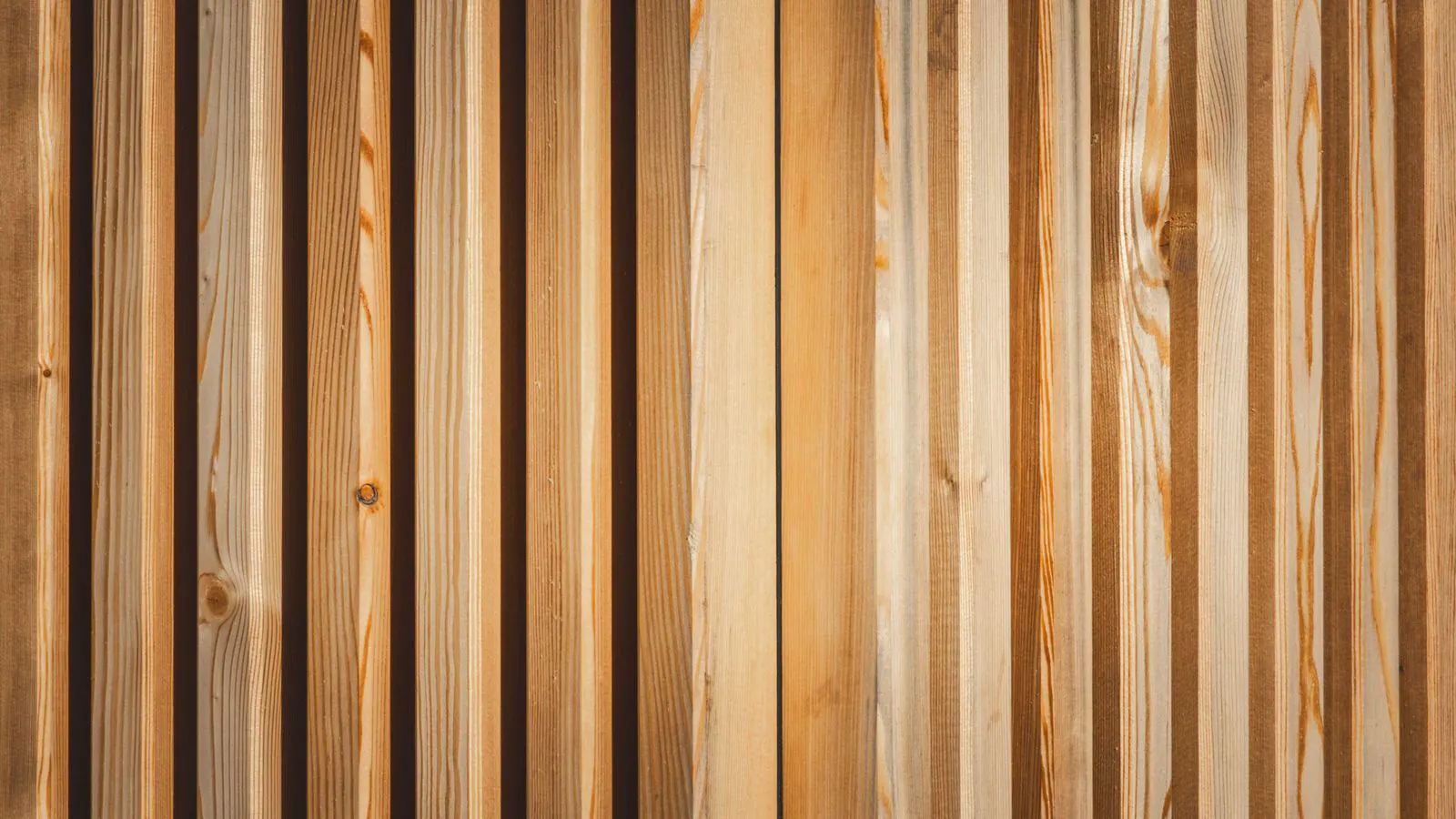
Wood veneer costs rise sharply with thickness and grade. Thicker veneers cost more per sheet but reduce waste and improve durability. Grade determines the visual appeal
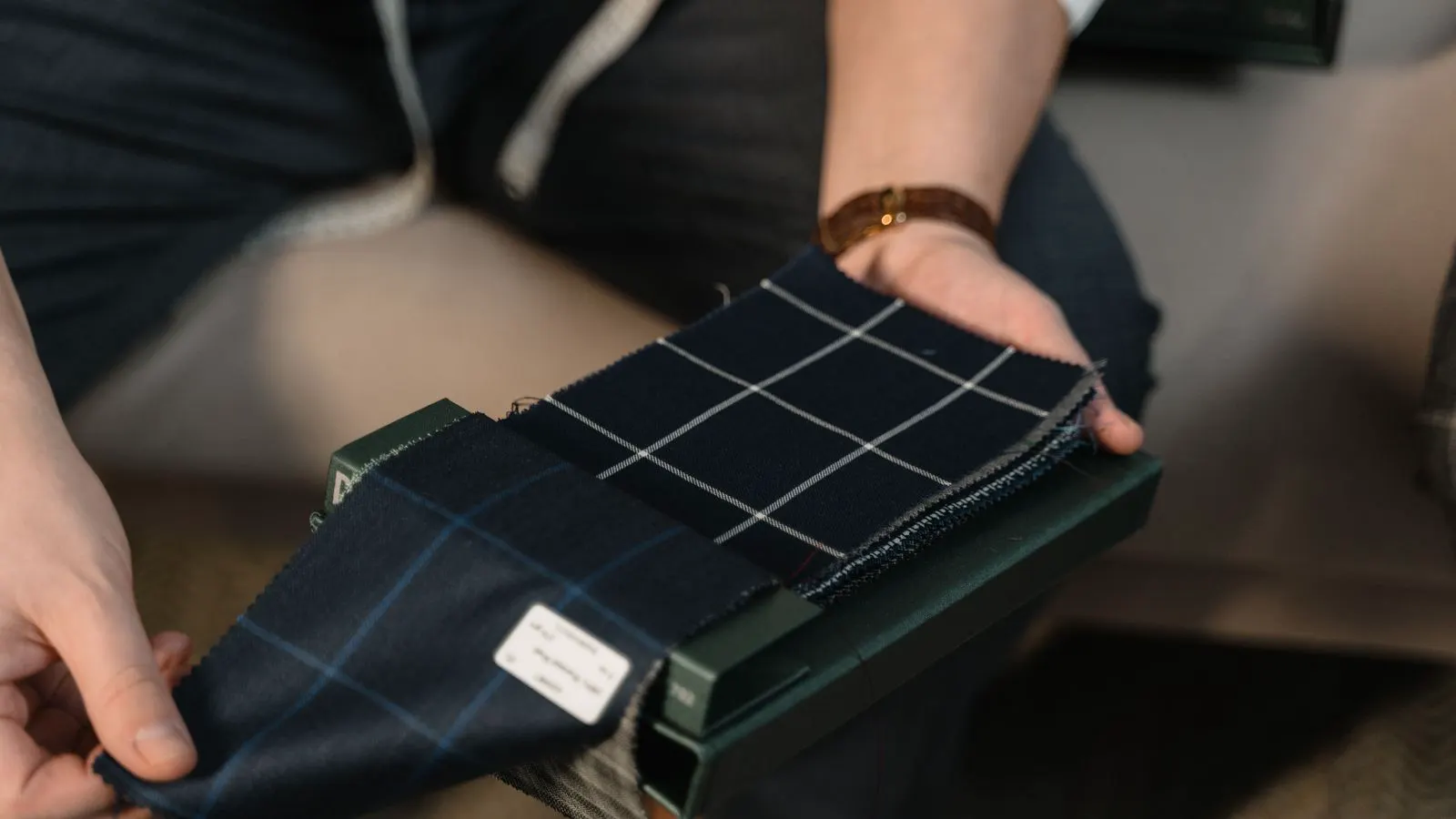
Upholstery rub counts measure how many times a fabric can be rubbed before visible wear. Higher rub counts suit high-traffic areas. Buyers use these numbers to match
Choose outdoor furniture finishes by matching coating chemistry to material and exposure. Prioritize UV resistance, film durability, and maintenance requirements.
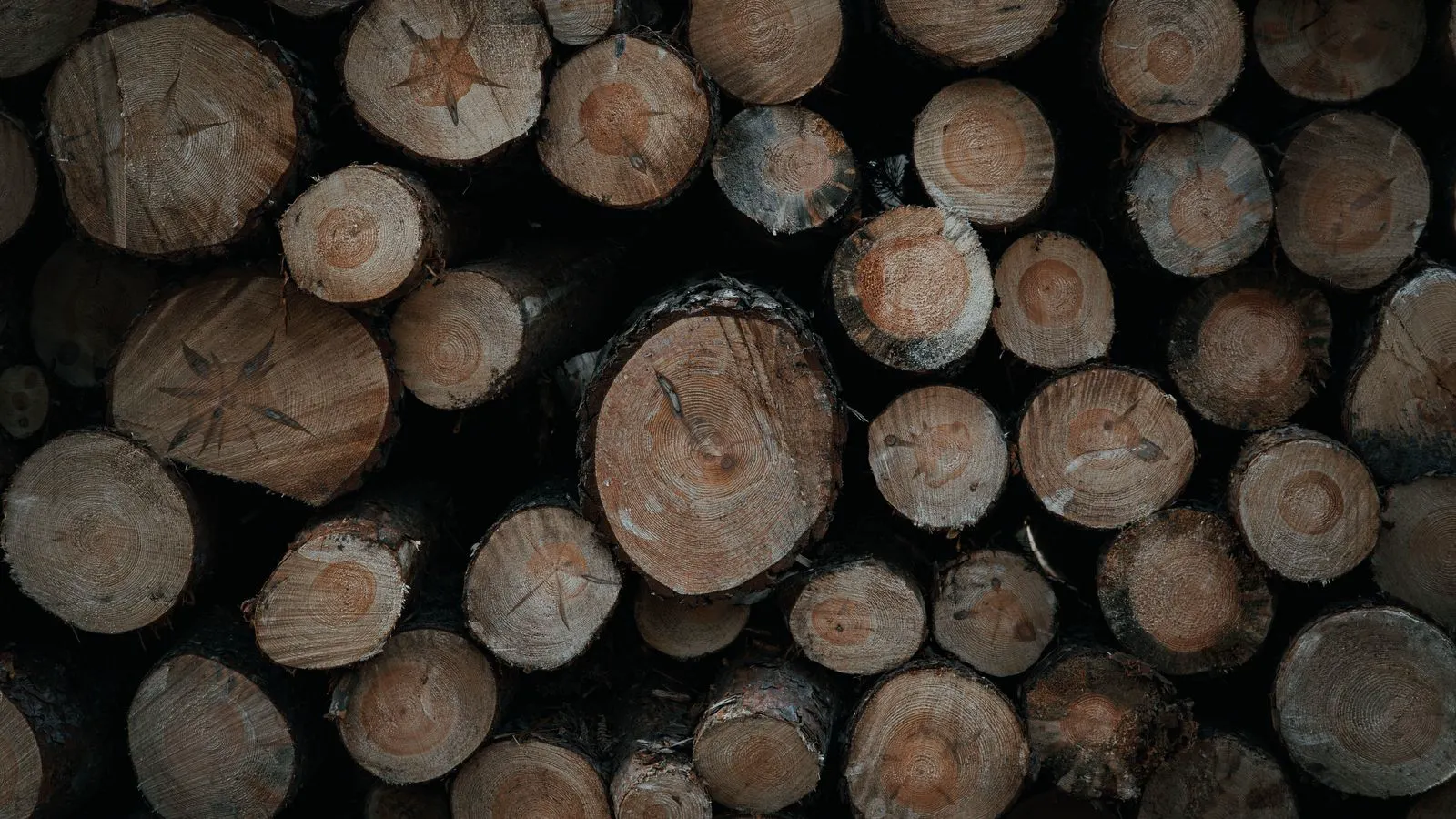
Importers should prepare for tighter supply chains in sustainable upholstery and green veneers. This outlook highlights five shifts affecting future furniture materials

Waterborne finishes use water as a carrier, lowering VOCs and improving air quality. Solvent coatings use chemical solvents, often offering faster drying and stronger
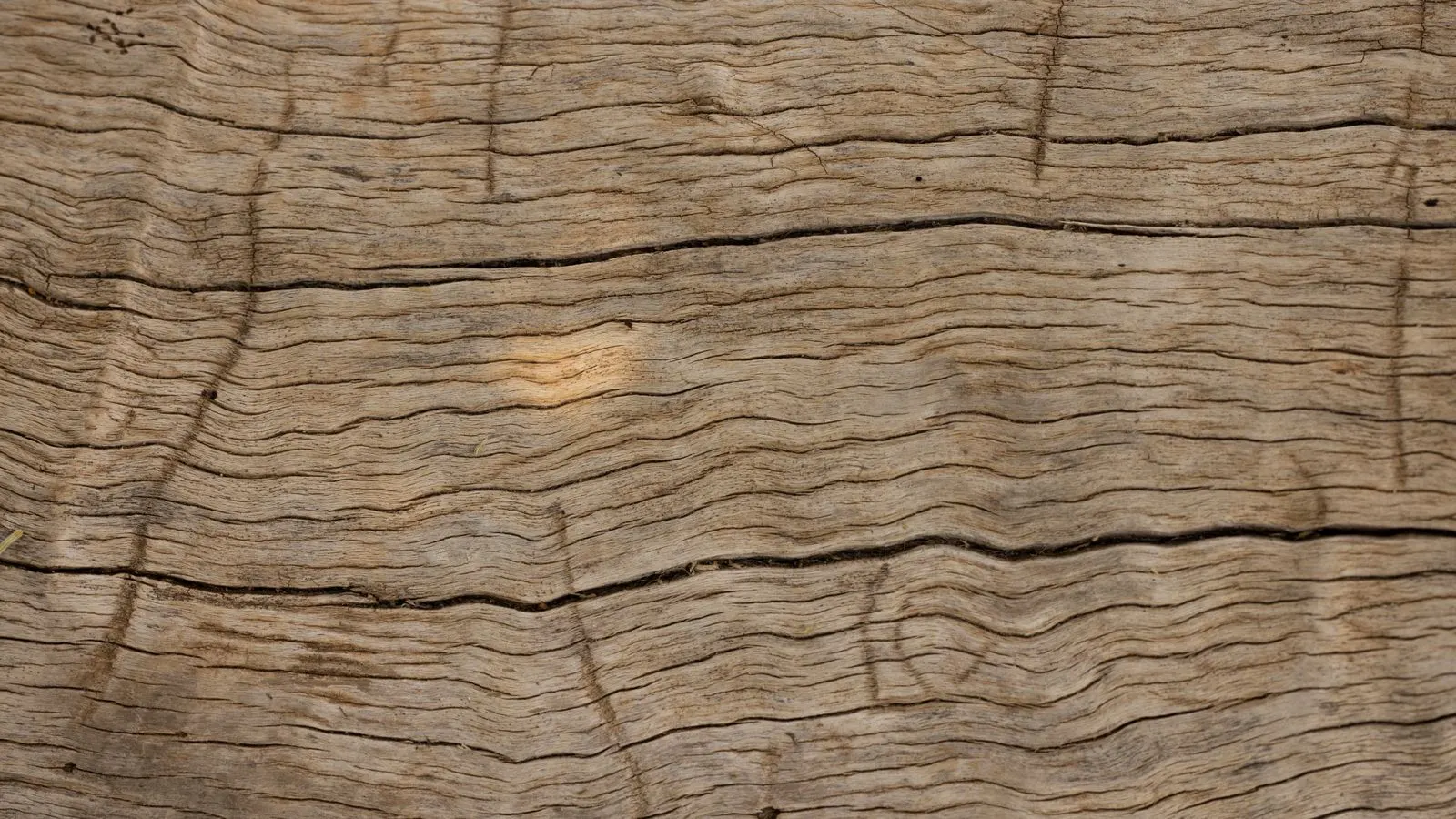
Wood veneers fail due to moisture, glue breakdown, or substrate mismatch. This guide identifies specific symptoms of peeling and adhesion failure, maps them to causes
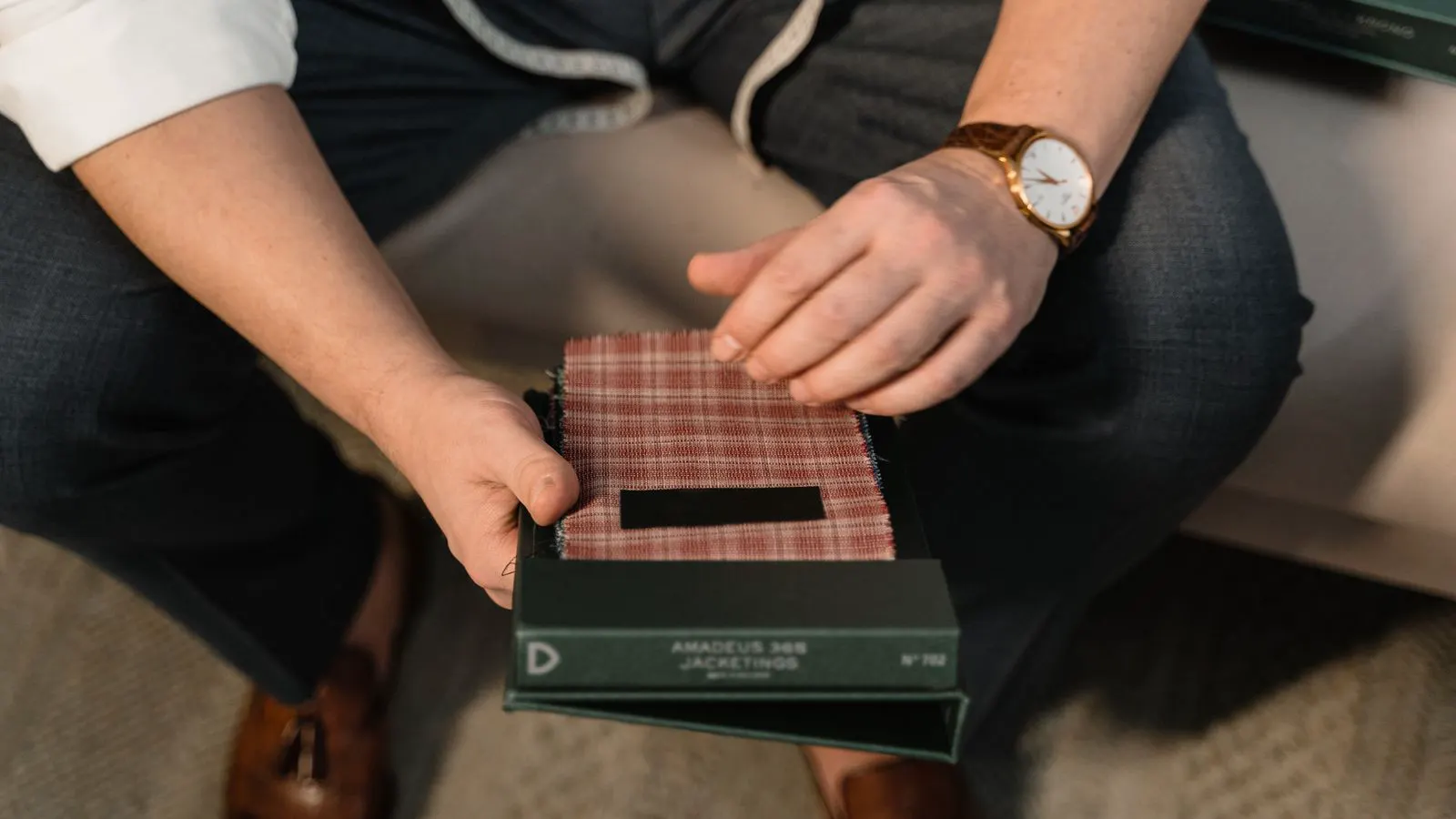
This checklist provides a structured approach to selecting upholstery fabrics for heavy-use commercial spaces. It covers rub count testing, fiber composition, stain

Engineers can evaluate wood veneers for scratch and moisture resistance by preparing controlled samples, running abrasion and water exposure tests, and documenting

Wood veneers offer a lower upfront cost and better appearance consistency than solid wood. Solid wood provides greater structural depth and repairability but costs more.
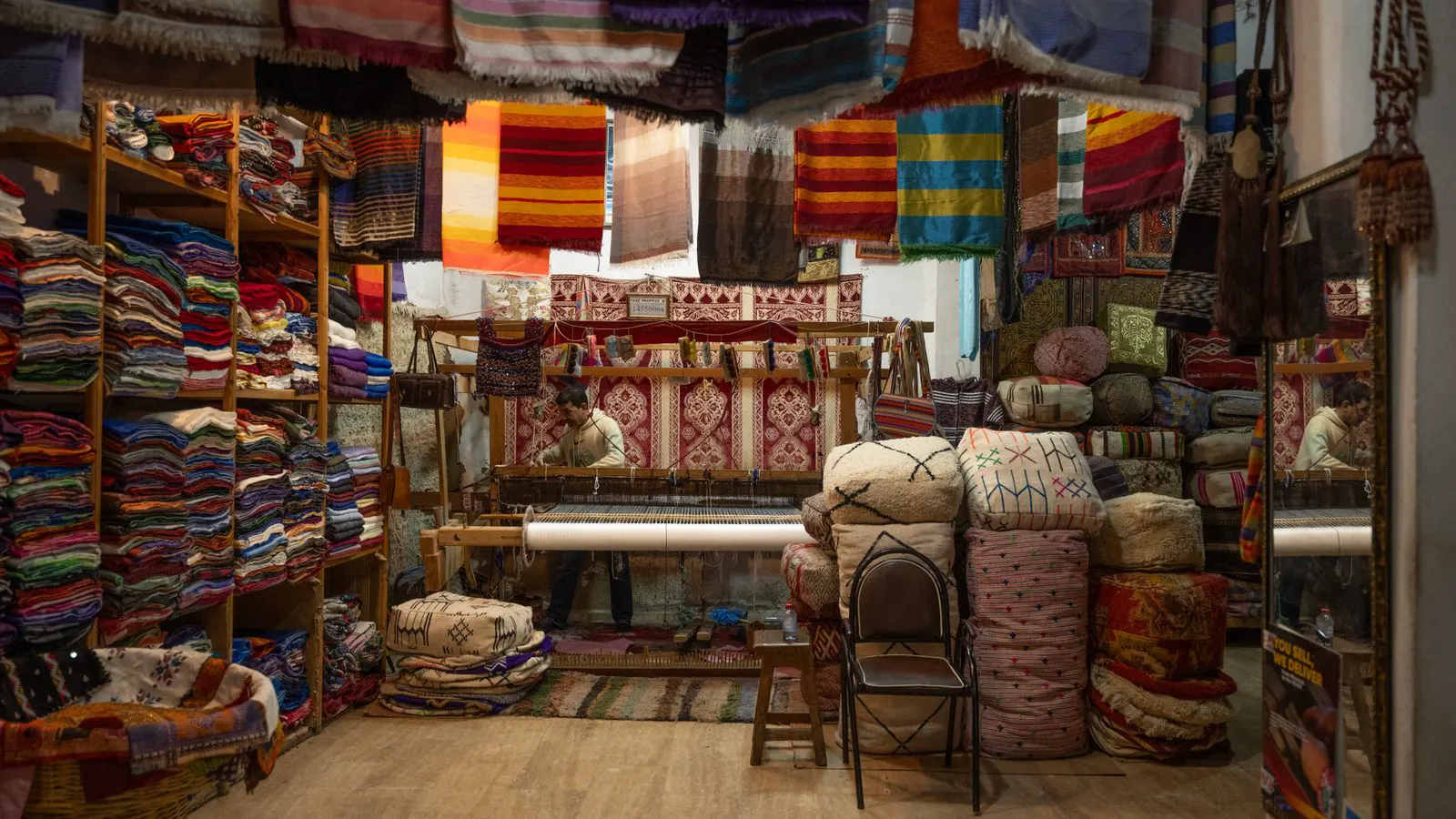
Upholstery fabrics vary in lead time due to construction method. Woven fabrics often require longer production cycles than printed performance textiles. Procurement