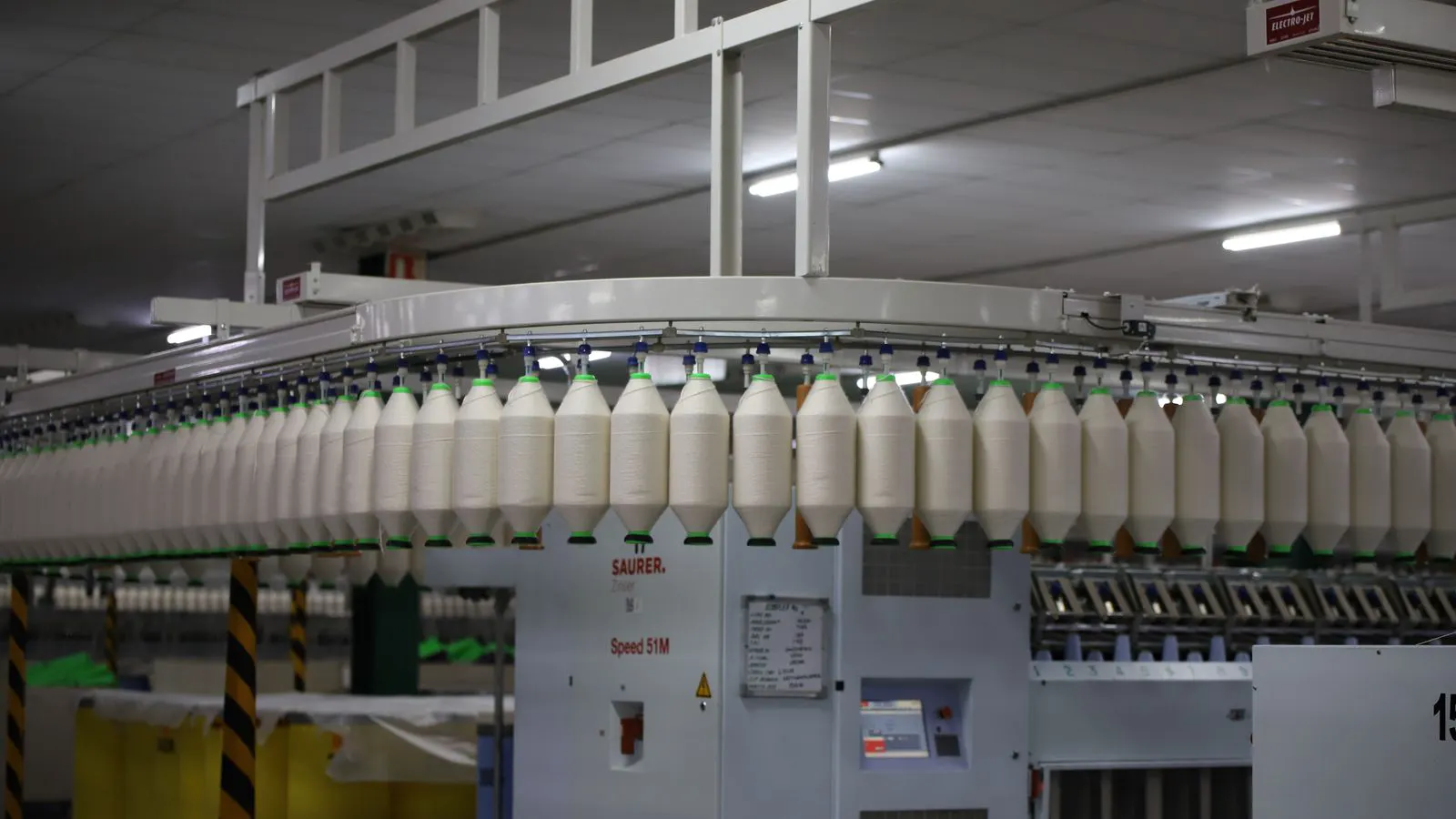
Choosing a Factory
Factory Capacity Planning: Balancing Peak Season Demand
Effective factory capacity planning requires mapping labor hours against seasonal demand. This guide explains how to calculate production lines, account for maintenance
Evaluate factory capabilities, certifications, and risk factors before placing production orders.
Effective factory capacity planning requires mapping labor hours against seasonal demand. This guide explains how to calculate production lines, account for maintenance
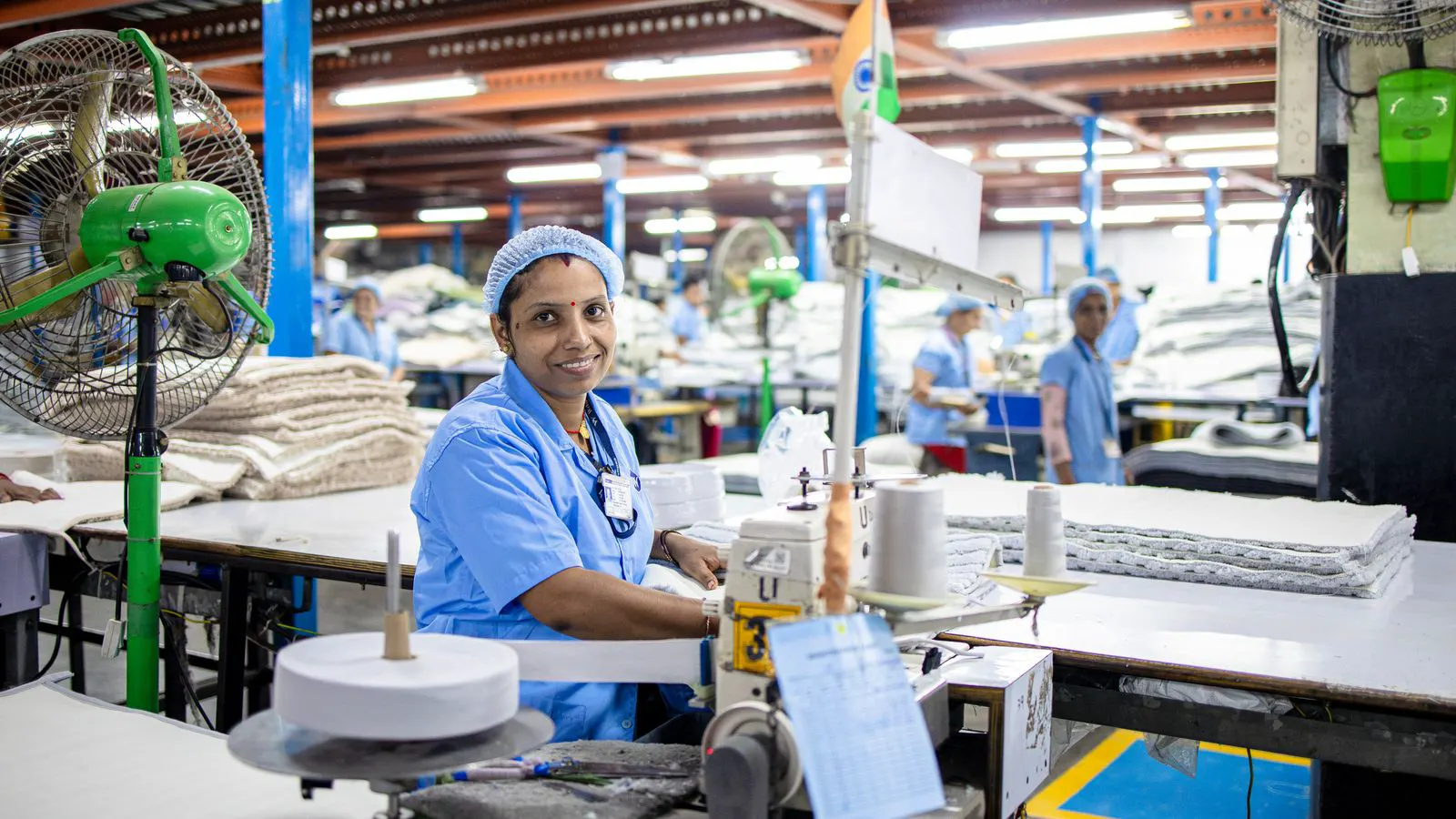
Factory capacity determines if a supplier can handle peak season volume. Calculate output by multiplying daily rates and shifts by working days. Adjust for maintenance
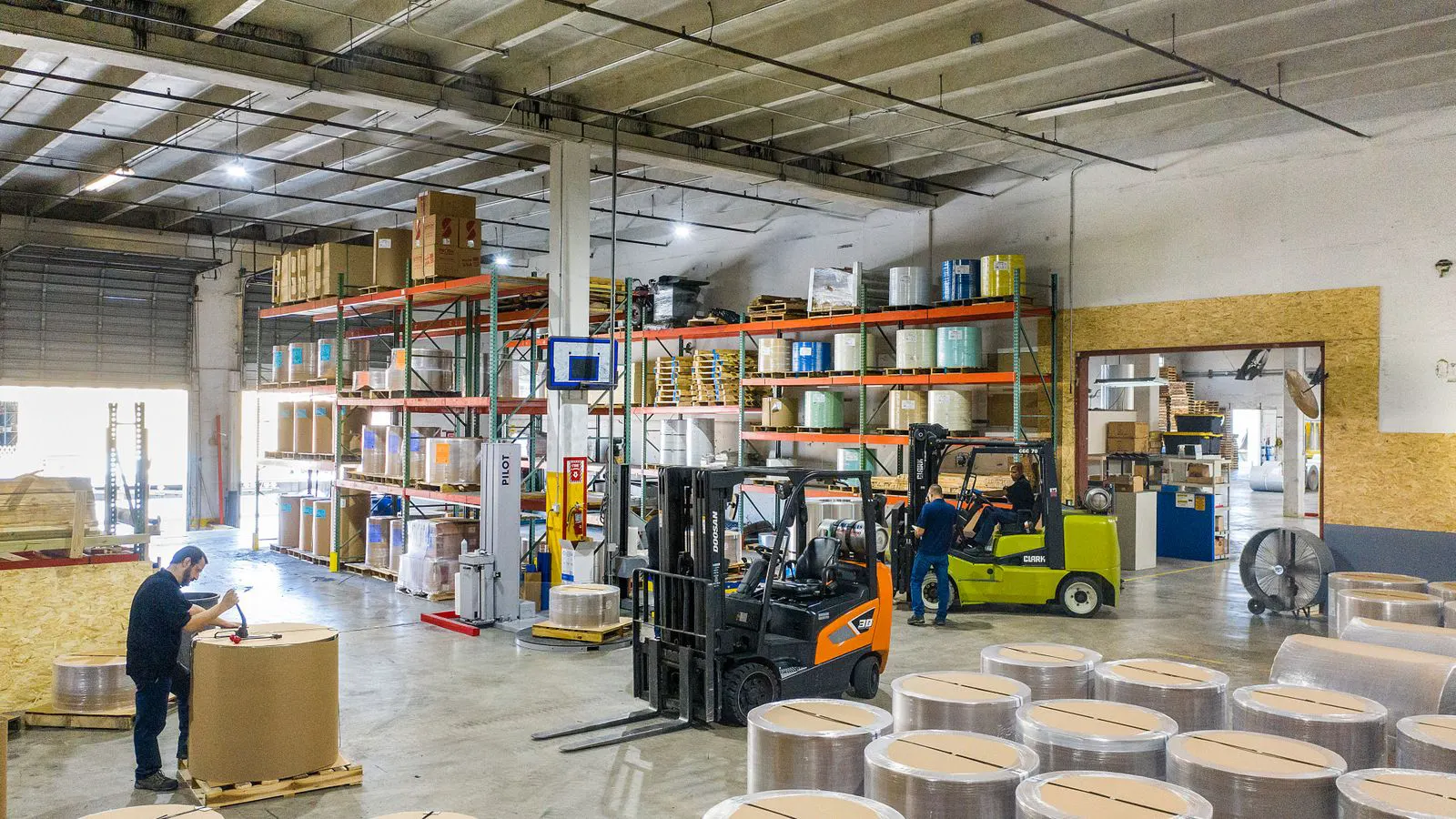
Raw material volatility changes factory pricing and lead times by forcing suppliers to adjust production schedules, renegotiate terms, or substitute materials. Buyers

To confirm factory-produced upholstery meets fire safety standards, verify test reports, material declarations, and factory records. This checklist helps buyers identify

Factory red flags appear in cluttered workstations, inconsistent joinery, missing documentation, and disorganized material handling. This guide outlines specific floor
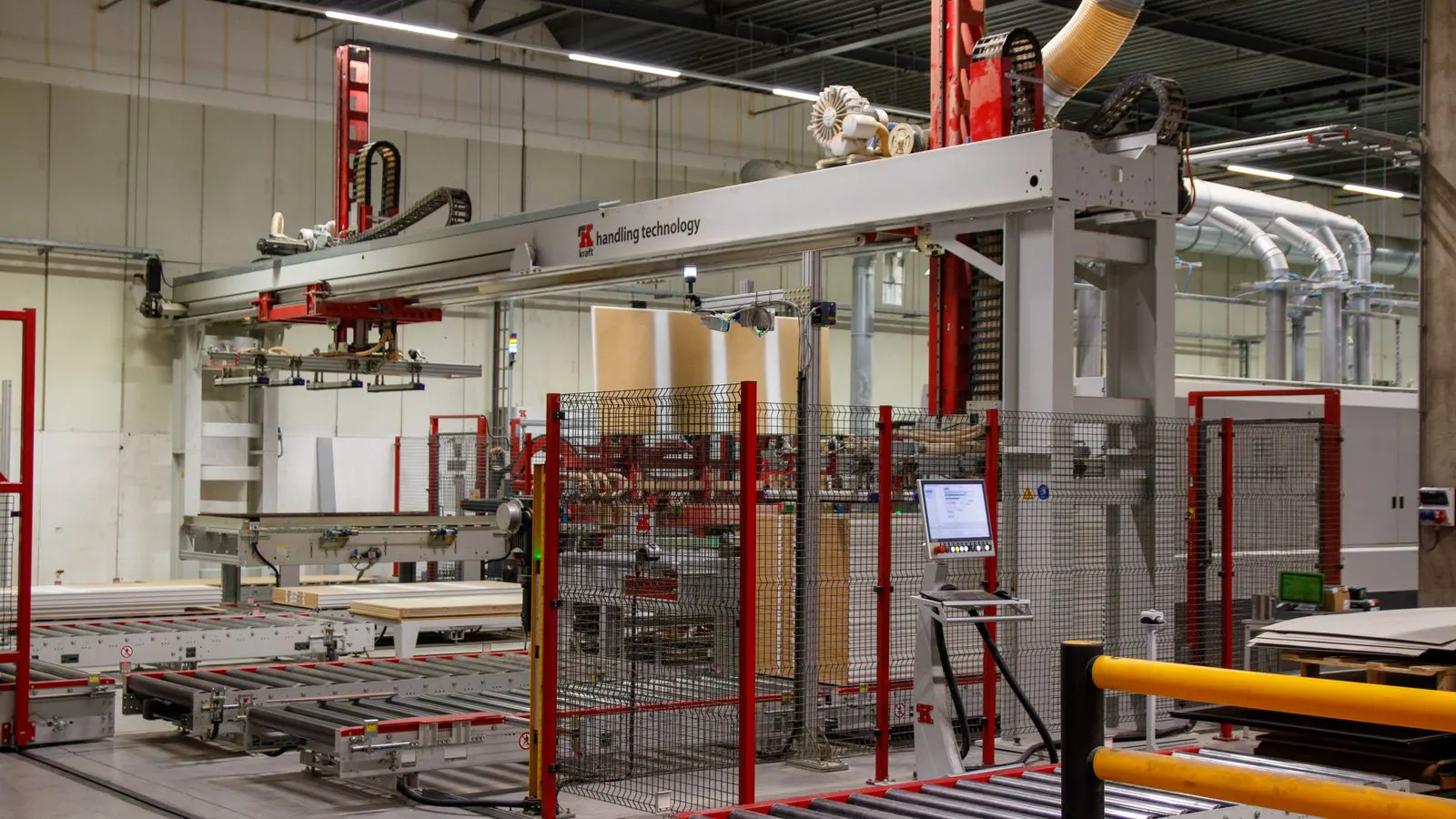
Factory automation is moving from large-scale operations into mid-range furniture manufacturing. This shift affects lead times, unit costs, and quality control. Buyers
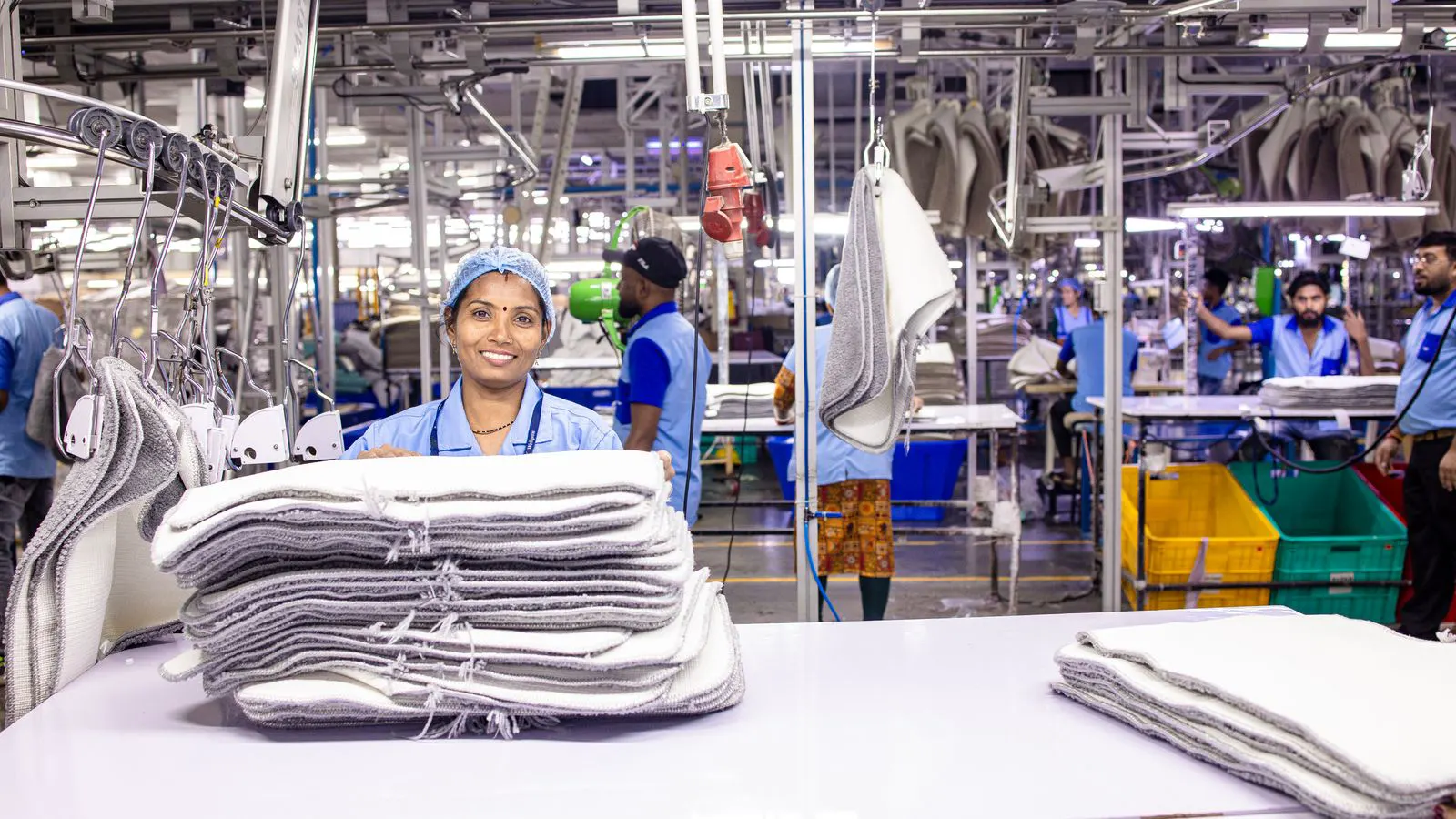
ISO 9001 certifies a factory's quality management system, while BSCI audits social and labor practices. Understanding both helps buyers assess product consistency and

Aluminum frames resist corrosion better and weigh less, making them easier to handle and maintain. Steel frames offer higher strength and lower material cost but require
Diagnose wood swelling by checking panel cupping and joint gaps. Prevent structural defects by stabilizing relative humidity, using acclimatized lumber, and verifying