Factory red flags appear in cluttered workstations, inconsistent joinery, missing documentation, and disorganized material handling. This guide outlines specific floor observations that reveal management issues before you sign a purchase order.
- Cluttered workstations signal poor standard operating procedures and inconsistent quality.
- Missing or inconsistent documentation indicates weak traceability and audit readiness.
- Inconsistent joinery and finishing reveal process control failures that affect final product quality.
- Worker engagement and workflow organization often predict on-time delivery performance.
What to Observe First in the Production Area
The first ten minutes on the factory floor tell you more than any brochure. Walk the line without speaking to managers. Watch how operators handle parts, move materials, and correct mistakes. A well-run shop has clear work instructions, organized tooling, and visible quality checks at each station. Look for workstations where unfinished parts sit next to finished goods, or where tools are left scattered across benches. These details expose gaps in daily supervision.
How Workstation Layout Reveals Management Discipline
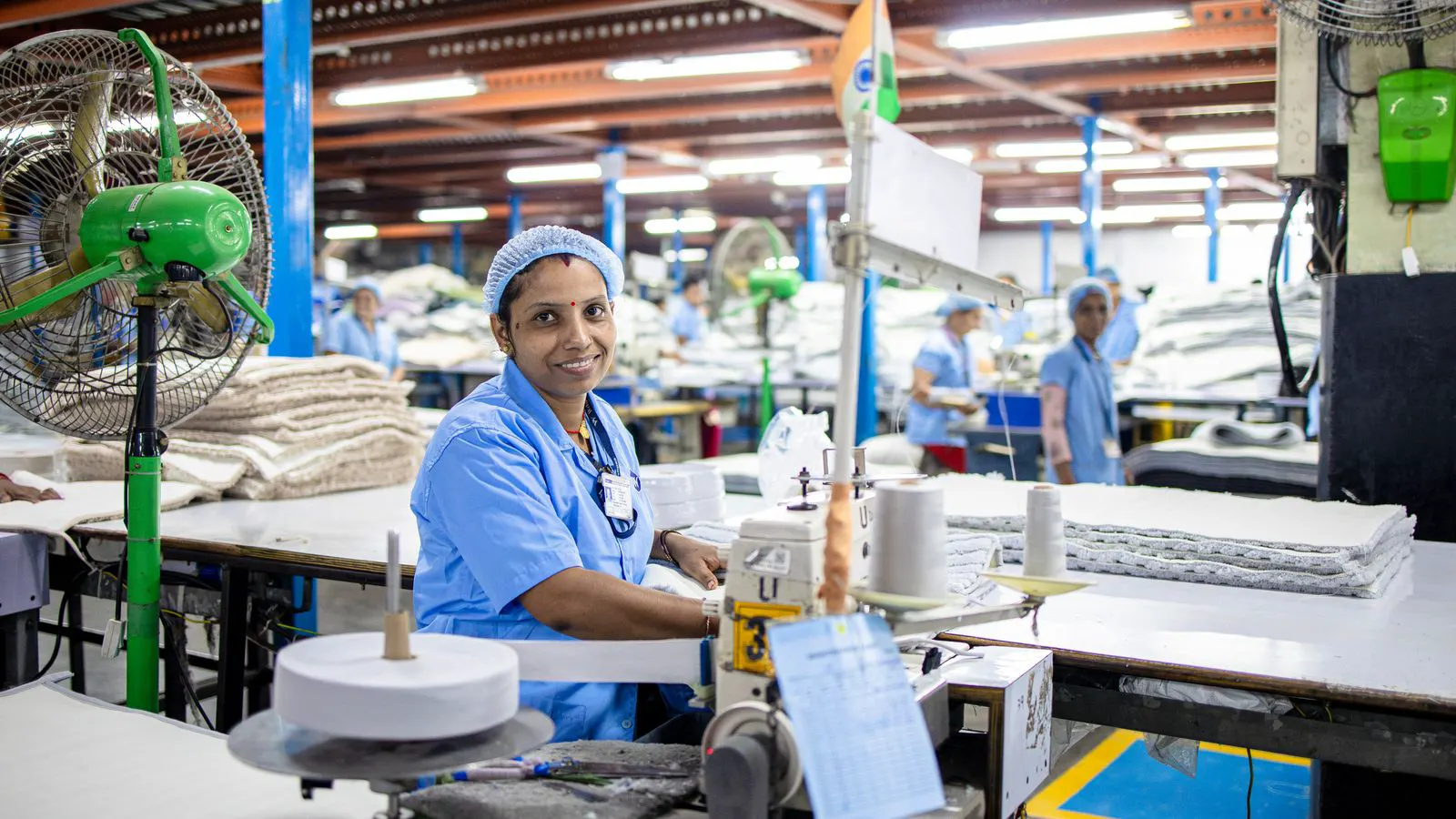
Station layout reflects whether the factory has standardized processes. In a controlled environment, each worker has a defined role and a clear path for materials to flow. If you see operators improvising where to place parts, or if the line moves in multiple directions at once, the factory lacks process discipline. Check whether there are shadow boards for tools, labeled bins for fasteners and adhesives, and clear separation between raw, work-in-progress, and finished inventory.
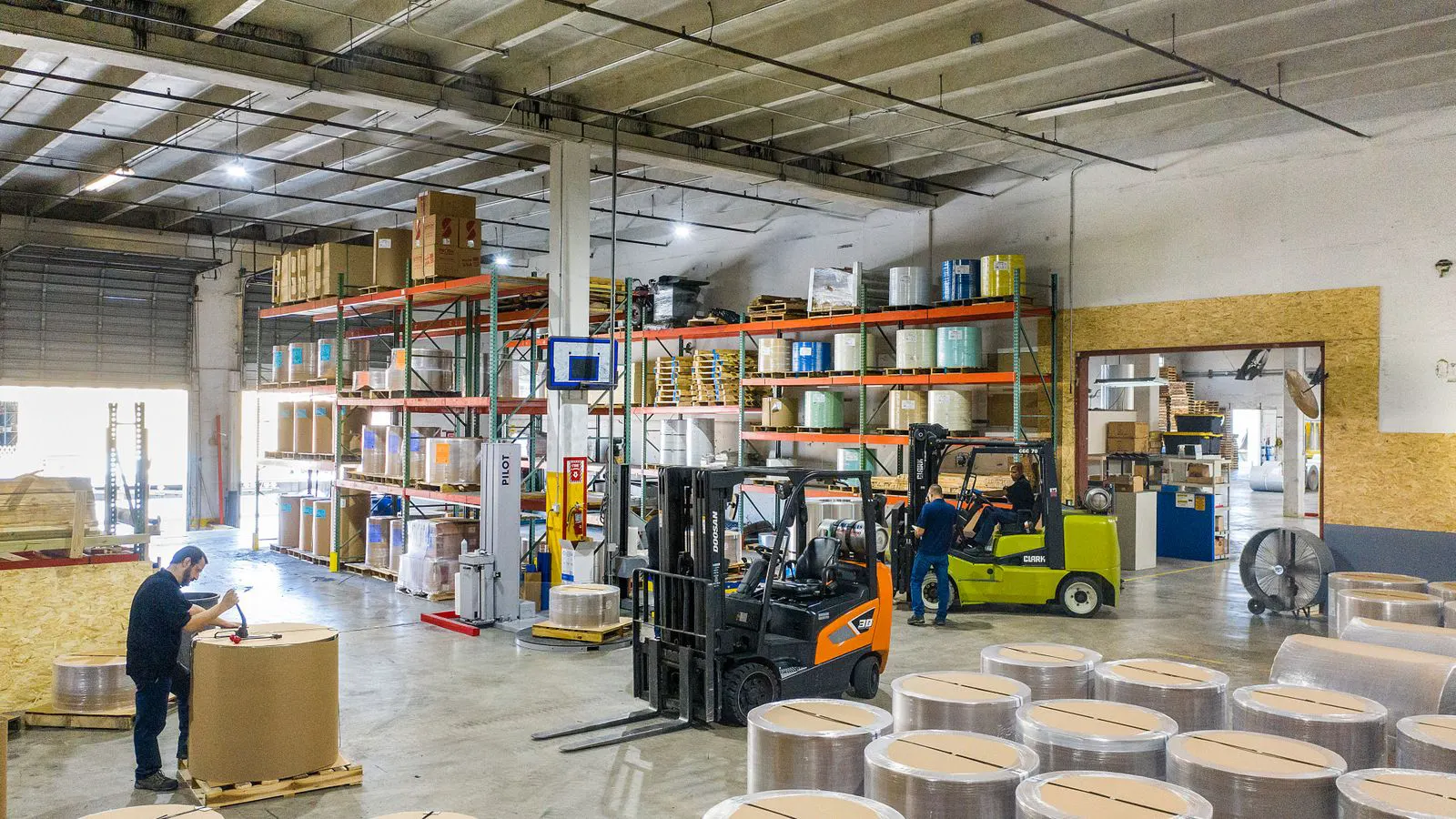
When raw materials are stacked in the aisle or near the entrance, forklift traffic mixes with foot traffic. This increases the risk of damage and delays. A factory that controls its material flow will have marked lanes, raised shelves, and dedicated zones. If the floor is filled with unsorted offcuts or scrap, the factory is not tracking waste or managing inventory efficiently.
Joinery and Finishing Inconsistencies That Signal Process Failure
Walk to the joinery and finishing sections. Pick up three pieces of the same part type and compare them. Check the fit of dowels, mortise-and-tenon joints, and screw holes. If one piece is tight and another is loose, the factory is not holding consistent tolerances. In finishing, look at edge bands, paint coverage, and hardware placement. A single scratch or misaligned handle is a small issue. Three or more across a batch means the inspection process is not catching defects before the unit moves to the next stage.
Also observe how operators handle mistakes. If a worker quietly removes a flawed piece from the line without documentation, the factory has no formal non-conformance process. Defects should be recorded, categorized, and addressed. Without that loop, the same problem repeats in every order.
Documentation and Traceability: The Paper Trail That Matters
Factory red flags often hide in the paperwork. Ask for the production schedule and compare it to what you see on the floor. If the schedule is outdated or missing, the factory is not managing its workload realistically. Check batch records for materials, especially if the order involves hardwood, metal, or coated surfaces. Each batch should be traceable back to the supplier and the lot number.
Look at the quality control reports. Are they filled out by the operator or by a dedicated inspector? Do they include specific measurements, not just “pass” or “fail”? A factory that relies on a single final inspection without in-line checks is likely to ship damaged or defective goods. If you cannot find the raw material certificates or finish compliance documents, the factory is not prepared for your compliance requirements.
Worker Engagement and Workflow Rhythm
Watch how operators communicate. Do they call out changes in material or process? Do supervisors walk the line and give direct feedback? A factory with engaged workers will show visible problem-solving. If operators appear disengaged or avoid eye contact, the management style is likely top-down and disconnected from the floor.
Check the flow between stations. In a balanced line, each station works at a similar pace. If one station is backed up with parts while the next is idle, the line is unbalanced. This causes bottlenecks and delays. A factory that manages its production rhythm will have clear visual indicators, such as kanban cards or digital displays, showing how many units are in each stage.
Safety, Maintenance, and Equipment Condition
Poor maintenance is a factory red flag that affects quality. Look at the condition of machines. Are tables, saws, and presses clean and well-calibrated? If you see loose belts, worn guides, or missing safety guards, the factory is cutting corners. Inspect the dust collection and ventilation systems. In a wood shop, accumulated dust is a fire hazard and a sign that maintenance is neglected.
Check the electrical panels and compressed air lines. Exposed wiring or leaking fittings create safety risks and can lead to downtime. A factory that maintains its equipment will have scheduled maintenance logs and spare parts on hand. If the factory cannot show you a maintenance schedule, expect frequent breakdowns and production delays.
Criteria Table for Factory Floor Evaluation
| Criterion | What to look for | Why it matters |
|---|---|---|
| Workstation Organization | Labeled bins, shadow boards, clear lanes, no clutter | Shows standard operating procedures are followed and reduces error rates |
| Joinery Consistency | Uniform fit, clean edges, proper alignment across multiple units | Predicts final product quality and customer satisfaction |
| Documentation Quality | Batch records, QC reports, traceability logs | Ensures compliance, traceability, and accountability for defects |
| Material Flow | Marked lanes, separated zones, no bottlenecks | Indicates balanced production and reliable on-time delivery |
| Equipment Condition | Clean machines, functional safety guards, maintenance logs | Reduces downtime, protects workers, and maintains quality |
| Worker Engagement | Clear communication, visible supervision, problem-solving | Reflects management discipline and long-term operational stability |
A Practical Checklist for Your Factory Visit
Use this checklist during a factory visit to make your supplier selection decision.
- Walk the production line without speaking to managers for the first ten minutes.
- Pick up three units of the same part and compare joinery, edges, and hardware.
- Ask for a batch record and trace one unit back to its raw material lot.
- Observe how operators handle a defect: is it documented and removed?
- Check the condition of machines and safety guards.
- Review the production schedule and compare it to the floor status.
- Ask a supervisor how long it takes to resolve a common quality issue.
- Note the flow between stations and identify any bottlenecks.
- Look for documentation of maintenance and calibration.
- Assess worker engagement and communication with supervisors.
If you see three or more red flags in different categories, the factory is not ready to manage a complex order. If the issues are isolated, such as a single cluttered workstation, ask how the factory plans to correct them. Management that responds with specific actions and timelines is more reliable than one that offers vague promises.
How to Weigh These Observations Against Other Factors
Factory floor observations should not be the only factor in your decision, but they are the most direct measure of current capability. A factory with strong financials but a chaotic floor will struggle to meet your quality and delivery requirements. A factory with a well-organized floor but weak documentation may fail your compliance audits. Combine the floor evaluation with the supplier’s financials, certifications, and past performance data. The floor tells you how the factory operates today. The documents tell you how the factory operates under scrutiny.
If the factory is a new supplier, start with a small trial order. This allows you to verify that the floor discipline holds under pressure. If the factory is an established supplier, use the floor visit as a baseline for annual reviews. Keep a record of your observations and compare them to the next visit. Improvements over time show that the factory is responsive and committed to continuous improvement.
Final Thoughts on Factory Red Flags
Factory red flags are not just about cleanliness. They are about control, consistency, and accountability. A factory that controls its floor controls its quality. A factory that controls its documentation controls its traceability. A factory that controls its maintenance controls its uptime. These three pillars determine whether the factory can deliver a reliable product, on time, every time.
Do not rely on a single visit. Use the floor observations to form your decision, but verify them with a trial order and follow-up reviews. The factory that shows you its floor without hesitation and answers your questions with specifics is the one you want to work with. The factory that hides the floor or deflects your questions is the one you should avoid.
Frequently asked questions
How many units should I inspect during a factory visit to assess joinery quality?
Inspect at least three units of the same part type. This gives you a baseline for consistency without requiring a full lot inspection.
What is the most common documentation red flag in furniture factories?
Missing or incomplete batch records. Without traceability, the factory cannot prove which raw material lot went into which finished unit.
How do I tell if a factory's production schedule is realistic?
Compare the schedule to the actual number of units in each stage on the floor. If the schedule shows 500 units completed but only 100 are in the finishing stage, the schedule is not aligned with reality.
Is a cluttered workstation always a red flag?
Not always. Some workstations have temporary clutter during a specific process. The red flag is when clutter is permanent and unmanaged across multiple workstations.
How should I handle a factory that refuses to show me the documentation?
Consider it a major red flag. A factory that will not share traceability or quality records is not ready to meet your compliance requirements. Do not proceed without a documented agreement on access.