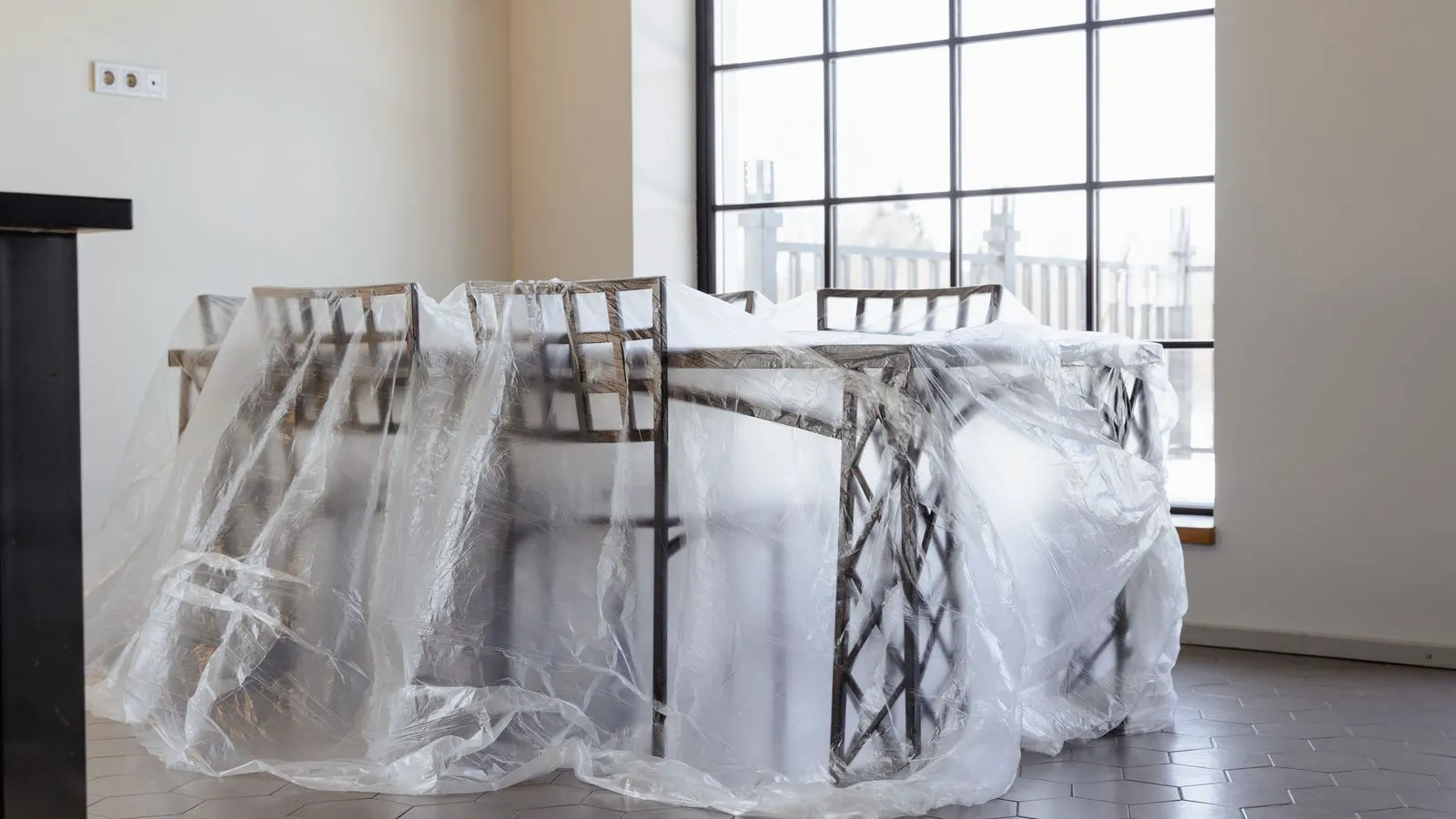
Wood and metal table materials offer different trade-offs for residential furniture. Wood provides warmth and repairability but requires careful moisture control. Metal offers high strength and consistency but demands specialized fabrication and finishing.
- Wood tables suit buyers who prioritize repairable surfaces and traditional aesthetics, but they demand stricter moisture management.
- Metal tables provide structural consistency and lower long-term maintenance, yet they require specialized fabrication and finishing.
- Cost depends heavily on finish complexity, not just raw material. A painted steel table can cost more than a solid wood one.
- Manufacturing complexity rises with mixed-material designs, as wood and metal expand and contract at different rates.
Residential furniture buyers often face a clear choice between wood and metal when specifying tables. The decision affects durability, cost, and manufacturing complexity. Each material brings distinct strengths and limitations that shape production timelines and final product quality.
Durability and Long-Term Performance
Wood and metal age differently under residential use. Wood is an organic material that responds to humidity, temperature, and physical wear. It dents, scratches, and can swell or shrink. These changes are often visible, but they are also manageable. A well-finished oak or walnut table can be sanded, refinished, and repaired over multiple years.
Metal tables behave differently. Steel and aluminum do not rot or warp. They resist moisture damage and maintain structural integrity over time. However, metal surfaces can corrode if the finish is compromised. A chip in powder-coated steel or a scratch in a brushed metal finish can expose the base material to rust. Repairing metal is usually less forgiving than repairing wood. A small surface blemish on metal may require re-coating or replacement, whereas a scratch on wood can often be buffed out.
For residential furniture, durability depends on the household environment. Kitchens and dining areas with high traffic and occasional spills favor metal or properly sealed wood. Living rooms with lower exposure can handle wood more easily. The key is matching the material to the intended use.
Cost Considerations
Raw material cost is only part of the equation. The finish and manufacturing process often drive the final price. Solid wood tables require more material, but they do not need complex machining. Metal tables may use less material by weight, but fabrication, welding, and finishing add significant labor.
Wood costs vary by species. Softwoods like pine are less expensive than hardwoods like oak or maple. Exotic hardwoods can be prohibitively expensive. Metal costs depend on the alloy and thickness. Mild steel is generally more affordable than stainless steel. Aluminum is lighter but can be pricier than steel in some applications.
Finish complexity matters. A natural oil finish on wood is straightforward. A high-gloss lacquer or veneer finish requires more skill and equipment. Metal tables often need powder coating, powder-coated powder, or anodizing. Powder coating provides a durable finish but requires a spray booth and curing oven. These facilities add capital costs and lead times.
Buyers should request quotes that break down material, labor, and finish costs. A quote that lists only “table” without specifying finish or hardware can hide significant variations.
Manufacturing Complexity and Lead Times
Wood tables involve cutting, joining, and finishing. Common joints include dowels, biscuits, mortise and tenon, and pocket holes. Each joint requires different tooling and skill. A simple four-legged table with a flat top is faster to produce than a table with curved aprons or complex joinery.
Metal tables involve cutting, forming, welding, and finishing. Laser cutting and plasma cutting are common for metal parts. Welding requires skilled operators and quality control checks. A welded table must be inspected for porosity, cracks, and proper alignment. Finishing adds another layer. Powder coating requires surface preparation, which can be time-consuming.
Mixed-material designs increase complexity. A table with a wood top and metal base must account for different expansion rates. Wood expands and contracts with humidity. Metal expands and contracts with temperature. If the design does not allow for this movement, the wood can lift, crack, or detach over time. Designers use mechanical fasteners and expansion joints to manage this.
Lead times reflect these differences. Wood tables can be produced in small batches with relatively short setup times. Metal tables often require batch production to justify setup. If a buyer needs a small run of custom metal tables, the cost per unit may be higher than for wood.
Aesthetics and Design Flexibility
Wood offers a warm, natural appearance. Grain patterns vary from piece to piece, giving each table a unique character. Wood can be stained, painted, or left natural. The finish can be matte, satin, or gloss. Wood is forgiving in design. Curves, chamfers, and rounded edges are achievable with standard woodworking tools.
Metal offers a different aesthetic. It can look industrial, minimalist, or futuristic. Metal can be formed into thin profiles, creating light-looking tables. Metal is ideal for modern residential furniture where clean lines and structural visibility are desired. However, metal does not have grain. Its character comes from surface treatment. Brushed, polished, painted, or textured finishes each create a different look.
Design flexibility depends on the target audience. Traditional residential furniture buyers often prefer wood. Contemporary buyers may lean toward metal or mixed materials. The choice should align with the brand positioning. A luxury residential furniture line may use solid wood for the table top and metal for the base to combine warmth and strength.
When to Pick Wood
Wood is the right choice when repairability and natural appearance matter. A buyer who wants a table that can be refinished after years of use will favor wood. Wood also performs well in residential furniture settings where warmth and texture are valued.
Wood is best for tables with solid tops or thick panels. Thin wood panels can flex and may not hold up well under heavy use. A solid wood top is more durable than a thin veneered top. Edge banding and joint quality are critical. Poorly made joints will fail under stress.
Buyers should specify the wood species, thickness, and finish. They should also ask about moisture content. Wood must be dried to a stable equilibrium moisture content before manufacturing. If the wood is too wet, it will shrink after assembly. This can cause gaps in the top or loose joints.
When to Pick Metal
Metal is the right choice when structural consistency and low maintenance are priorities. A metal table will not warp from a spill or crack from a dent. It is ideal for high-traffic areas where durability is the top concern.
Metal is best for tables with complex geometry or thin profiles. A metal frame can be made lighter and stronger than a wood frame of the same dimensions. This is useful for modern residential furniture where open, airy designs are desired.
Buyers should specify the metal type, thickness, and finish. They should also ask about powder coating or other surface treatments. The finish must match the intended use. A kitchen table needs a scratch-resistant finish. A living room table may tolerate a softer finish.
When to Pick Mixed Materials
Mixed-material tables combine the best of both. A wood top provides warmth and repairability. A metal base provides strength and a modern look. This combination is popular in residential furniture because it balances aesthetics and durability.
Mixed materials increase manufacturing complexity. The wood and metal must be designed to work together. Expansion and contraction must be managed. Fasteners must allow for movement. The finish must be compatible with both materials.
Buyers should request samples of mixed-material tables before committing. The joint between wood and metal is the first place to check. If the wood is glued to metal, the bond may fail over time. Mechanical fasteners are usually more reliable.
Quality Checks and Documentation
Regardless of material, quality checks are essential. Wood tables should be checked for joint tightness, surface finish, and moisture content. Metal tables should be checked for weld quality, finish uniformity, and structural alignment.
Buyers should request a quality control checklist. This document should list the checks performed at each production stage. It should include dimensions, finish, hardware, and packaging. A good supplier will provide this checklist as part of the quotation.
For residential furniture, packaging is also a quality issue. Wood tables can be damaged during shipping if not protected. Metal tables can be scratched if the finish is not protected. Custom packaging, such as corner protectors and foam inserts, reduces damage.
Final Selection Criteria
The choice between wood and metal depends on the buyer’s priorities. Wood offers repairability and natural warmth. Metal offers strength and consistency. Mixed materials offer a balance.
Buyers should consider the intended use, budget, and production requirements. A high-end residential furniture line may use wood for the top and metal for the base. A budget line may use all-metal or all-wood options.
The key is to match the material to the product. A table that is over-engineered for its price point will fail. A table that is under-engineered will disappoint. The material choice is the foundation of the product.
Frequently asked questions
Which material is more durable, wood or metal?
It depends on the environment. Metal resists moisture and warping, but wood can be repaired and refinished. For high-traffic areas, metal may last longer without maintenance.
Can wood tables be refinished?
Yes. Solid wood tables can be sanded and refinished multiple times. Veneered wood tables have limited refinish potential because the veneer is thin.
Is metal more expensive than wood?
Not necessarily. Metal fabrication and finishing can add significant cost. A simple wood table may be cheaper than a complex metal table.
How do I manage wood and metal expansion?
Use mechanical fasteners that allow for movement. Avoid gluing wood directly to metal. Design expansion joints in the structure.
What finish is best for metal tables?
Powder coating is common for residential furniture. It is scratch-resistant and durable. The finish should match the intended use and environment.