This guide provides a framework for selecting wood veneer species based on durability, cost, and aesthetic finishes. It outlines key criteria for professional buyers and engineers evaluating veneer options for furniture manufacturing.
- Match veneer species to the intended use, considering stress points and exposure to moisture or light.
- Evaluate veneer thickness, grade, and substrate compatibility before finalizing a material selection.
- Use a criteria table to compare cost, availability, and aesthetic properties across different species.
- Conduct sample testing to verify how the chosen veneer behaves under specific finishes and environmental conditions.
Why Wood Veneer Species Selection Matters
Wood veneer species selection is a core decision in furniture manufacturing. The species chosen dictates the final look, the structural performance of the panel, and the long-term maintenance requirements. It also drives procurement costs and supply chain stability. A mismatch between the selected species and the product requirements can lead to visual defects, accelerated wear, or expensive redesigns.
Buyers must look beyond color preference. The grain pattern, porosity, and stability of the wood affect how the veneer reacts to moisture, heat, and mechanical stress. For example, a dense hardwood like oak holds a finish differently than a softwood like pine. The former resists dents and holds a crisp grain, while the latter absorbs stain unevenly and is more prone to dents. Understanding these differences allows manufacturers to specify materials that fit the design intent and the functional life of the product.
This guide provides a practical framework for evaluating these factors. It breaks down the decision into manageable criteria, helping buyers compare options and make defensible choices.
Evaluating Durability and Structural Performance
Durability is the first filter for any veneer selection. The veneer is a thin skin over a substrate, so its ability to withstand the rigors of daily use is critical. The species must be able to handle the specific stresses of the application.
Consider the contact points. Tables, chairs, and desks experience high wear at the edges and corners. These areas are subject to impact, abrasion, and moisture. A softwood veneer may look good but will show dents and scratches quickly under these conditions. A hardwood veneer, such as ash or maple, offers better resistance to physical damage. For high-traffic commercial spaces, durability is non-negotiable.
Moisture resistance is another key factor. Veneers are not naturally waterproof, but some species handle humidity changes better than others. Wood expands and contracts with moisture. If the species is unstable, it may warp, cup, or crack over time, especially in environments with varying humidity, such as kitchens or near windows. Buyers should assess the typical humidity range of the installation location. For applications with higher moisture exposure, species with tighter grain and better dimensional stability are preferable.
The substrate also plays a role in structural performance. Veneer is usually applied to plywood or particleboard. The stability of the base material works in tandem with the veneer. If the substrate expands unevenly, it can pull the veneer apart, causing peeling. This is a common failure mode. Selecting a veneer species that bonds well to the specific substrate and finish system is a critical part of the evaluation.
Cost Considerations and Supply Chain Factors
Cost is a major driver in veneer selection. Wood veneer costs vary significantly by species, grade, and thickness. Exotic species are generally more expensive due to limited supply and complex harvesting processes. Common domestic species offer a more predictable price point and a larger supply pool.
Buyers must look at the total cost of ownership, not just the material price. A cheaper veneer that requires more frequent maintenance or has a shorter lifespan may cost more over the product’s life. Conversely, a premium species might justify a higher price tag if it allows for a longer product warranty or a higher retail price.
Supply chain stability is a hidden cost factor. Some species are subject to seasonal availability or import restrictions. A delay in shipment can halt a production line. Diversifying the supplier base or selecting species with a broader geographic footprint can mitigate this risk. Buyers should evaluate the reliability of their suppliers and the consistency of the material batches. Consistency in color and grain is a cost saver, as it reduces the need for sorting and rejects.
The grade of the veneer also impacts cost. Higher grades have fewer knots, defects, and color variations. They require less sorting and yield a more uniform finish. For high-end products, the cost of higher-grade veneer is often justified by the final aesthetic. For budget products, lower grades may be acceptable if the design hides the imperfections or if the finish is opaque.
Aesthetic Finishes and Design Aesthetics
Aesthetic finishes are the primary driver for many buyers. The visual appeal of the veneer is what the end customer sees and what justifies the price point. The species must align with the design language of the product.
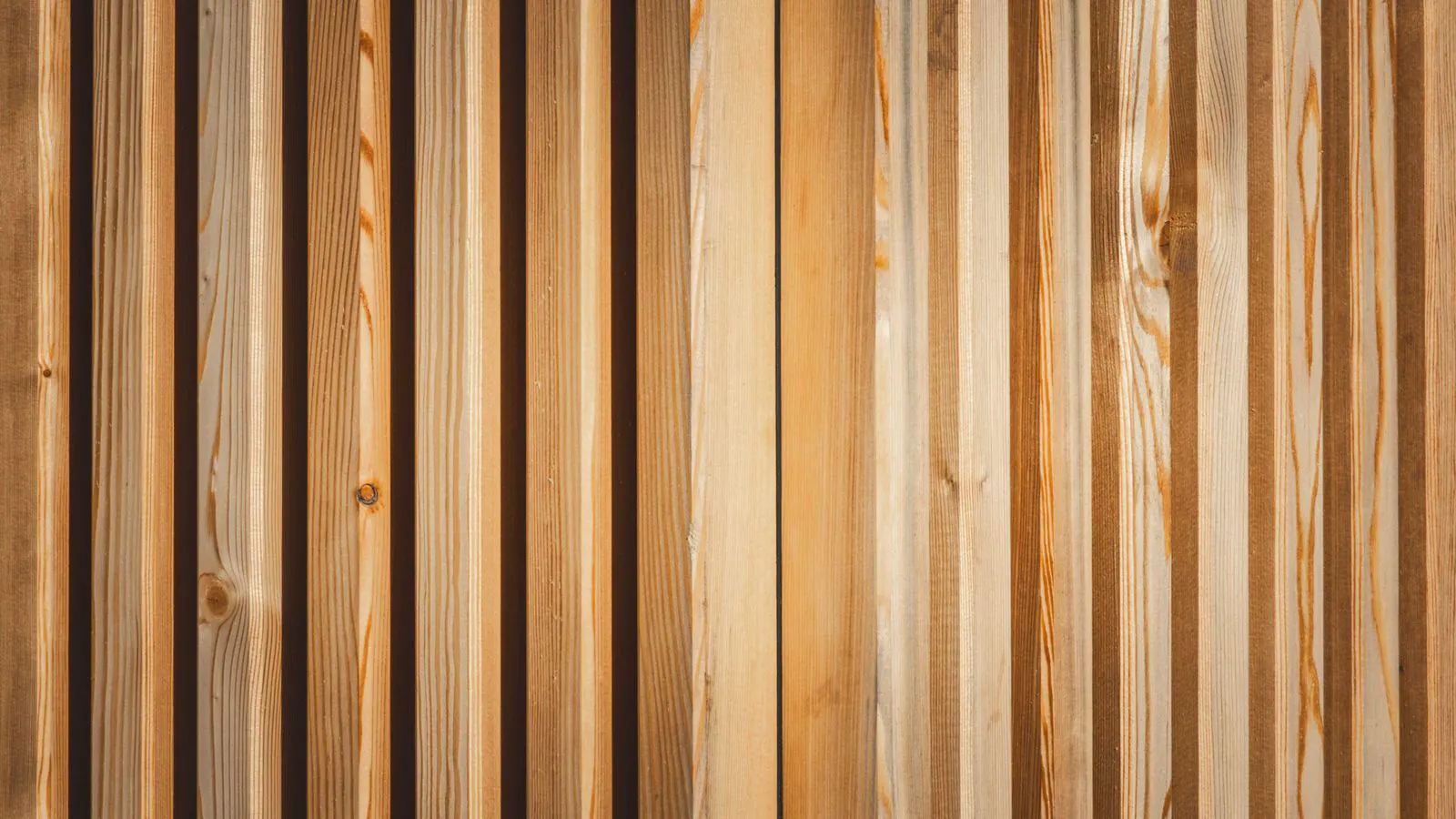
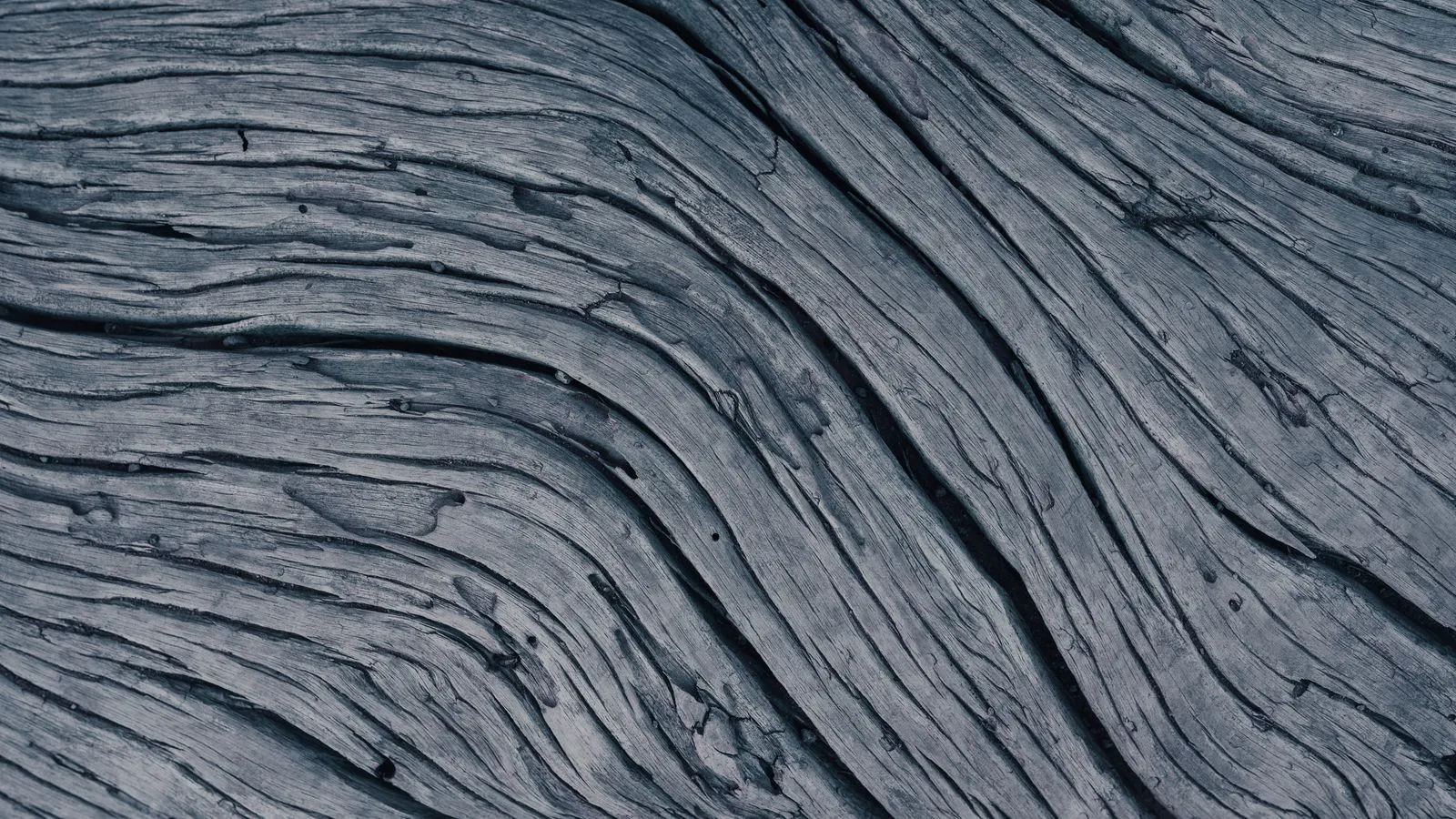
Grain pattern is a key aesthetic element. Some species have open grain, such as oak and ash, which show the texture of the wood clearly. Others have tight grain, such as maple or birch, which provide a smoother surface. The grain pattern interacts with the finish. An open grain species may require a filler to achieve a smooth, glass-like surface. A tight grain species may not need filling. This process affects both cost and the final tactile feel of the product.
Color consistency is another critical factor. Wood is a natural material, and color variation is inherent. However, buyers need a level of consistency that fits the brand identity. Some species, like cherry, change color significantly with light exposure. Others, like maple, remain relatively stable. The selected species must match the expected aging profile of the product.
The choice of finish system also influences the aesthetic. Waterborne and solvent-based finishes highlight different aspects of the wood. A clear, high-gloss finish emphasizes the grain and color, while a matte or satin finish softens the surface and reduces the visibility of minor defects. The veneer species must be compatible with the chosen finish. Some woods are more reactive to certain solvents or pH levels, which can cause discoloration or bubbling. Sample testing is essential to verify the interaction between the species and the finish.
Criteria Table for Veneer Selection
The table below summarizes the key criteria for evaluating wood veneer species. It provides a framework for comparing options across durability, cost, and aesthetics.
| Criterion | What to look for | Why it matters |
|---|---|---|
| Grain Density | Tight, dense grain for high-wear areas; open grain for decorative surfaces. | Dense grain resists dents and scratches better, extending the life of the product. |
| Moisture Stability | Species with low dimensional change across humidity ranges. | Prevents warping, cupping, and cracking in varying environmental conditions. |
| Color Consistency | Uniform tone with minimal variation between batches. | Ensures a cohesive look across multiple product units and batches. |
| Workability | Ease of cutting, sanding, and bonding to the substrate. | Reduces production time and improves yield rates during manufacturing. |
| Supply Availability | Consistent global or regional supply with reliable lead times. | Minimizes production delays and ensures cost predictability. |
| Finish Compatibility | Positive reaction to the selected waterborne or solvent-based finish. | Prevents discoloration, bubbling, and other finish defects. |
Sample Testing and Validation
Before committing to a production run, sample testing is a necessary step. The goal is to validate the selected veneer species under real-world conditions.
Create a test panel that mimics the final product. Apply the veneer to the intended substrate, using the specified adhesive. Then, apply the selected finish. Cure the sample according to the manufacturer’s instructions. After curing, subject the sample to a series of checks.
Check for adhesion. Press the veneer at the edges and corners to see if it lifts or peels. This is a common failure point. Check for finish defects. Look for bubbling, blushing, or uneven color. Check for mechanical resistance. Rub the surface with a soft cloth and a harder material to see how it withstands abrasion.
If possible, test the sample in a controlled environment. Place it in a chamber that simulates the humidity and temperature range of the installation location. Observe the sample over a period of several days or weeks. This will reveal any slow-moving defects, such as cupping or color shift.
Document the results. Keep a record of the test parameters and the outcome. This documentation serves as a reference for future production and helps in troubleshooting if issues arise.
Final Decision Checklist
Use this checklist to finalize the veneer species selection.
- Define the application. Identify the specific use of the furniture piece and the expected stress points.
- Establish the budget. Determine the maximum cost per unit for the veneer, including substrate and finish.
- Identify aesthetic requirements. Specify the desired grain pattern, color range, and finish type.
- Evaluate durability. Select species that meet the moisture and mechanical requirements of the application.
- Assess supply chain. Verify the availability and consistency of the selected species from approved suppliers.
- Conduct sample testing. Validate the selection through physical and environmental testing.
- Confirm finish compatibility. Ensure the veneer reacts well with the chosen finish system.
- Review documentation. Keep all test records and specifications for future reference.
Selecting the right wood veneer species is a strategic decision. It balances form, function, and cost. By applying this framework, buyers can make informed choices that lead to high-quality, durable, and visually appealing furniture products.
Frequently asked questions
Which wood veneer species is best for high-traffic commercial furniture?
Dense hardwoods like oak, ash, or maple are often preferred for high-traffic areas due to their resistance to dents and scratches.
How does veneer thickness affect the durability of the finish?
Thicker veneers generally offer more structural integrity and can better withstand mechanical stress, but they may be more expensive and less flexible for curved surfaces.
Can a veneer species change color over time?
Yes, some species, such as cherry or walnut, oxidize and darken in response to light exposure. This is a natural process and should be accounted for in the design phase.
What is the primary difference between waterborne and solvent-based finishes for veneers?
Waterborne finishes have lower VOCs and dry faster, while solvent-based finishes often provide deeper penetration and a different tactile feel, but may have higher environmental impact.
How do I ensure color consistency across multiple veneer batches?
Select veneer from the same lot or specify a strict color range. Work with suppliers who offer grading and sorting services to maintain uniformity.