Upholstery rub counts measure how many times a fabric can be rubbed before visible wear. Higher rub counts suit high-traffic areas. Buyers use these numbers to match fabric lifespan to expected use.
- Rub counts quantify expected fabric wear, helping match material to traffic level.
- Martindale testing is a standard method for measuring rub counts.
- Higher rub counts usually cost more but reduce replacement frequency.
- Rub count alone is not enough; color and pattern also affect perceived wear.
- Specify rub counts in contracts to align supplier and buyer expectations.
What an upholstery rub count actually measures
A rub count states how many cycles a fabric can withstand before showing visible wear. The test rubs a fabric swatch against a standard abrasive pad. Each back and forth movement counts as one cycle. The number recorded is the rub count.
This is not a guess based on appearance. It is a repeatable measurement. Two fabrics with the same rub count may still look different after use. One may show pilling. Another may fade. A third may show thinning in the pile. The rub count tells you when the fabric fails. It does not always tell you how it fails.
Buyers use rub counts to match fabric life to expected use. A dining room chair is used differently than a waiting room sofa. The number guides sourcing. It also sets a baseline for quality control.
How the Martindale test works
The Martindale test is one of the most common methods for measuring upholstery rub counts. A swatch of fabric sits flat. A pad moves over it in a small circular path. The machine records the number of passes.
The operator watches for the first point where wear becomes visible. That point is the rub count. Some facilities use a light box behind the fabric to detect changes in the weave. Others use magnification. The method can vary slightly by lab. That is why suppliers should state the method used.
A low rub count means the fabric wears quickly. A high rub count means it holds up under repeated rubbing. The difference between a low and high count can be large. For example, a fabric rated for light residential use may last only a few hundred cycles. A fabric rated for heavy commercial use may last several thousand cycles.
The test is not the only factor. Rub count is about physical wear. It does not cover stain resistance, light fastness, or pilling resistance on its own. A fabric can have a high rub count but still stain easily.
Why rub counts matter in contract upholstery
Contract upholstery is built for heavy use. Hotels, offices, schools, and hospitals expect furniture to last for years. The fabric must keep looking acceptable under daily contact.
Rub counts help specify that expectation. If a buyer asks for a fabric with a high rub count, the supplier knows the fabric needs to be tightly woven or made from a durable fiber. The price reflects that. A low rub count fabric is cheaper. It may work for a low-traffic room. It will not work for a lobby chair.
In contract projects, the rub count becomes part of the specification. It is written into the purchase order. It is checked during incoming inspection. If the fabric does not meet the agreed count, it can be rejected. Without a clear rub count, disputes happen. The buyer expected durability. The supplier delivered a soft residential fabric. The result is a mismatch.
How to use rub counts in sourcing decisions
When sourcing fabric for high-use furniture, start with the traffic level. Count how many times the furniture will be touched, rubbed, or shifted each day. Then match the rub count to that use.
A light office chair may need a moderate rub count. A school canteen seat needs a high rub count. A hospital patient chair may need a high count and easy cleaning. The rub count is only one line in that decision.
Consider the weave. A tight plain weave often resists wear better than a loose weave. Consider the fiber. Some fibers rub away quickly. Others hold shape. Consider the finish. A protective coating can add resistance, but it must not crack or peel under rubbing.
Look at the pattern. A busy pattern hides small wear marks. A solid light color shows them fast. A high rub count is not enough if the pattern makes the wear obvious. A low rub count fabric with a dark, textured pattern may look better over time than a high rub count fabric with a pale, tight weave.
Worked example: specifying a waiting room sofa
A buyer is sourcing a sofa for a hospital waiting room. The room sees steady traffic. Patients and visitors sit, shift, and rub the seat. The fabric will be used many times a day.
The buyer sets a rub count requirement. They ask for a fabric that can handle heavy use. They also ask for a dark, textured pattern. The pattern will hide small rub marks. The fiber should be tight and durable. The supplier sends samples. The buyer sends one sample to a lab. The lab runs a Martindale test. The fabric passes the rub count test.
The buyer also checks colorfastness. The fabric must not fade in sunlight. The buyer checks stain resistance. The fabric must clean easily. The supplier confirms the rub count in writing. The purchase order lists the rub count. The fabric is approved for production.
This example shows how a rub count becomes a practical decision. It is not just a number on a spec sheet. It is a check on how the fabric will behave in the room.
Common mistakes buyers make with rub counts
The first mistake is treating rub count as the only metric. A fabric with a high rub count can still fail if it stains easily or fades in sunlight. Rub count is one part of a larger durability picture.
The second mistake is not defining the testing method. Two labs may use slightly different Martindale setups. The results can differ. A supplier who does not state the method makes comparison hard.
The third mistake is ignoring the pattern. A high rub count fabric with a pale, smooth surface will show wear faster than a darker, textured fabric with a lower count. The visual wear is as important as the physical wear.
The fourth mistake is not including the rub count in the contract. If the specification is vague, the buyer has no basis to reject a weak fabric. The rub count should be written down.
How to read a fabric data sheet
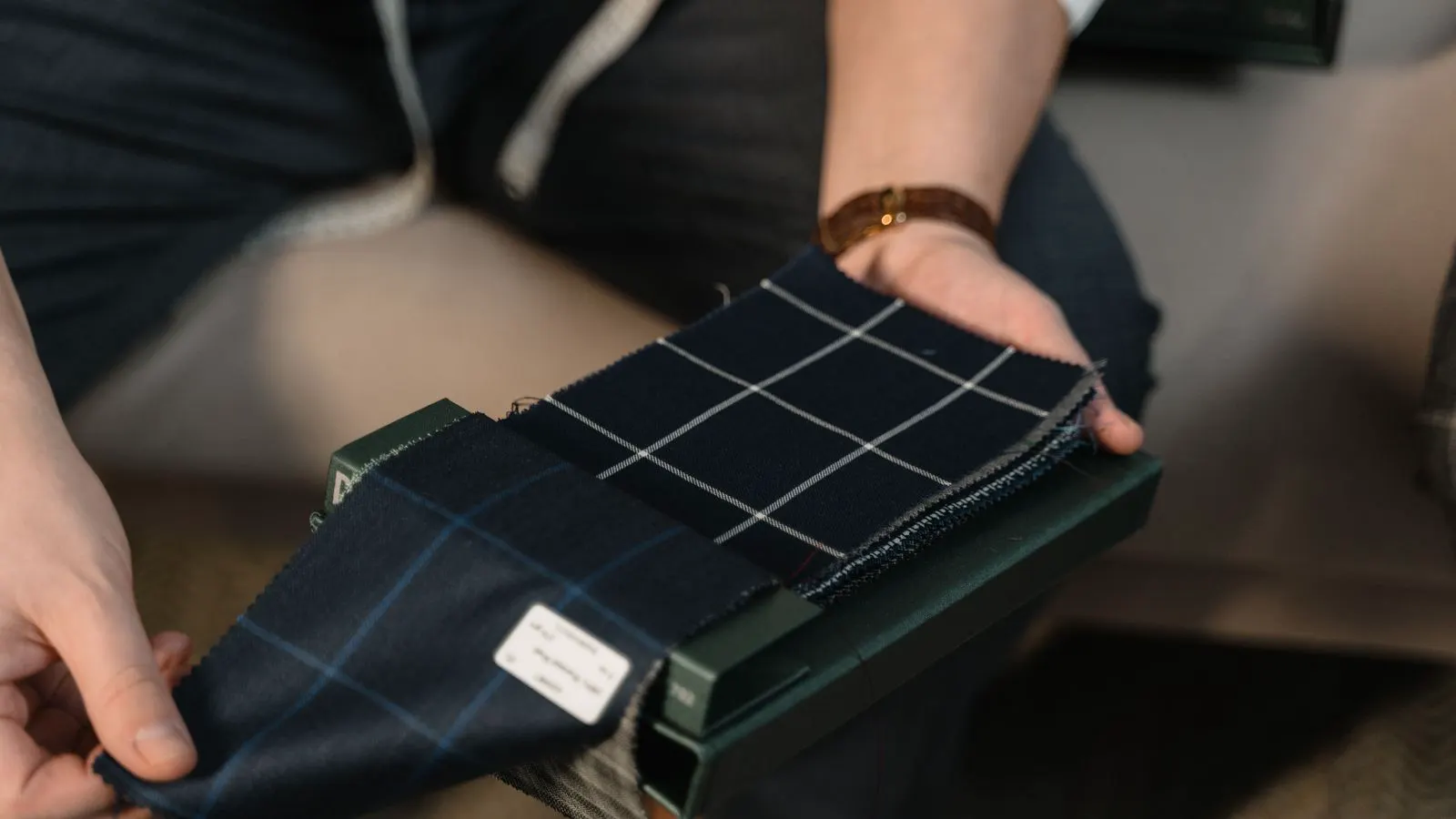
A fabric data sheet usually lists the rub count near the durability section. Look for the number and the unit. It is often cycles. Some sheets list the test method. Some list the fabric weight, pile height, and composition.
Check the rub count against the use case. If the fabric is for a high-traffic area, the count should be high. If the count is low, ask the supplier why they recommend it. They may be right if the traffic is low. They may be wrong if it is not.
The data sheet should also show the colorfastness to rubbing. This is different from the rub count. Colorfastness to rubbing tells you if the color transfers to hands, clothing, or other surfaces. A fabric can have a high rub count and still bleed color.
Always ask for a sample. A data sheet is useful. A sample is better. Sit on the sample. Rub it with your hand. Look at the weave under light. Then compare it to the rub count. If the fabric feels fragile but the rub count is high, ask for a second sample or a test report.
What to ask the supplier
Ask for the rub count in writing. Ask for the test method. Ask if the count is for the finished fabric or the base fabric. Ask if a coating is included in the number. Ask for a sample of the exact production lot.
Ask how the fabric performs under repeated rubbing. Ask if the weave changes after testing. Ask if the color shifts. Ask if the pile flattens. These questions help you see the full picture.
A good supplier will provide a data sheet and a test report. They will not hide the rub count. They will not mix up light and heavy use categories. If they are unsure, ask them to run a test.
When a high rub count is not worth the cost
A high rub count is not always the best choice. If the furniture is in a low-traffic area, a lower rub count may be enough. The cost savings can be used for a better color or a more comfortable weave.
If the rub count is too high, the fabric may be stiff. It may feel less pleasant. It may be harder to clean. The buyer must balance durability with comfort and appearance.
A high rub count is worth the cost when the furniture will be used heavily. It is worth it when the replacement cost is high. It is worth it when the brand needs to show quality over time. It is not worth it when the use is light and the budget is tight.
The decision is about fit. The rub count must match the use. It must also match the budget. It must match the look.
Frequently asked questions
What is a typical rub count for contract upholstery?
Contract upholstery usually requires a higher rub count than residential fabric. The exact number depends on traffic and expected life.
Can two fabrics with the same rub count look different after use?
Yes. One may pill. Another may fade. Another may thin. The rub count measures wear, not the type of wear.
Does a rub count include stain resistance?
No. Rub count measures physical wear. Stain resistance is a separate test.
How often should fabric be retested?
Retest when the fabric changes, when the use changes, or when a new production lot is approved.
What is the best way to verify a rub count?
Send a sample to a lab and ask for a written report using a stated Martindale method.