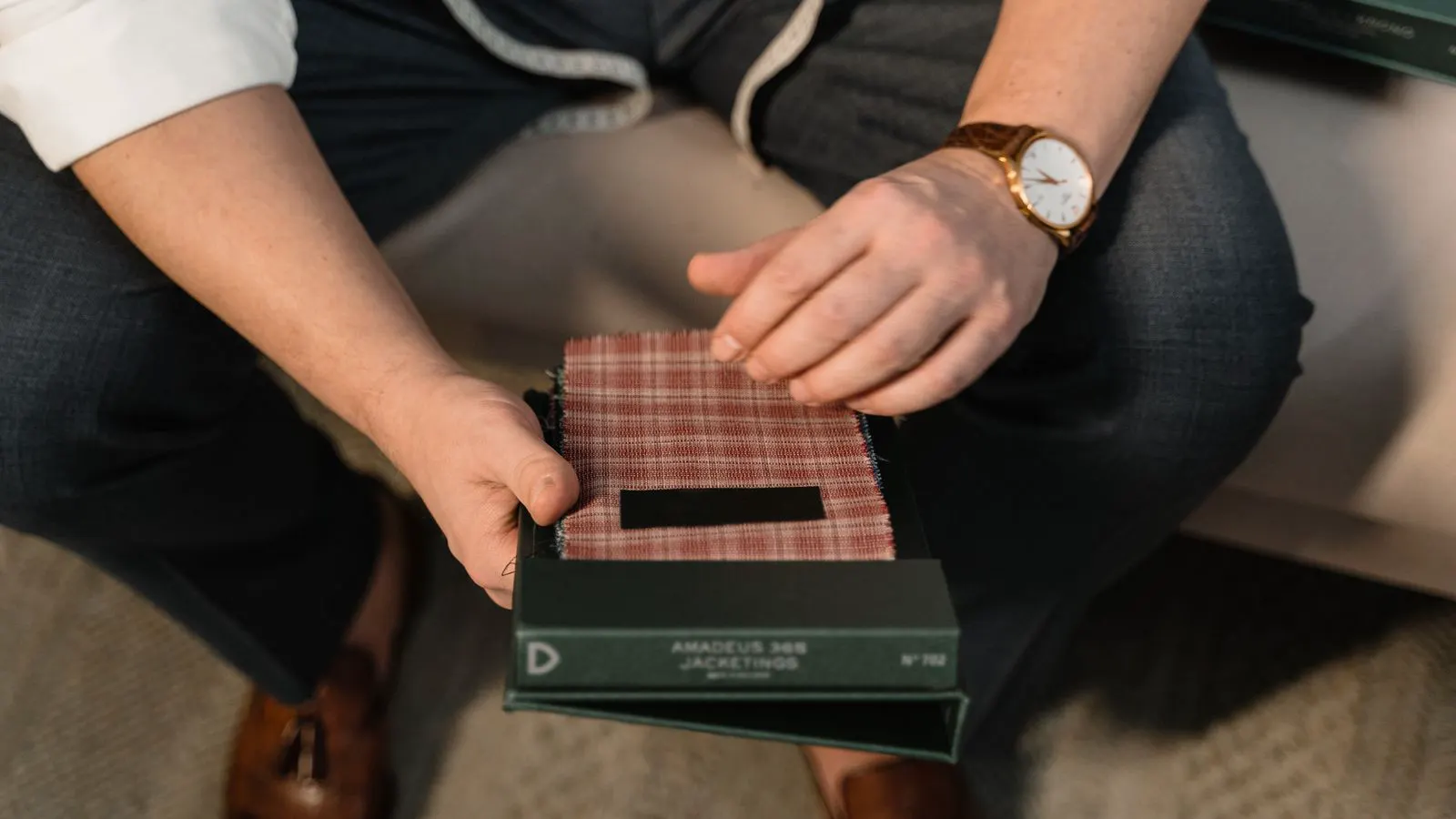
Importers should prepare for tighter supply chains in sustainable upholstery and green veneers. This outlook highlights five shifts affecting future furniture materials, from bio-based foams to certified veneers, and offers practical steps to reduce risk in sourcing and specification.
- Expect supply volatility in bio-based upholstery components and certified veneer sheets.
- Demand consistent material documentation, not just marketing claims.
- Build flexible specifications that allow approved substitutions.
- Test samples for wear and moisture before committing to production.
- Align with manufacturers on long-term sourcing agreements for stable supply.
Why material trends are reshaping furniture supply chains
Importers are seeing pressure on both upholstery and veneer sourcing. Buyers want lower environmental impact without sacrificing durability. The result is a market where sustainable upholstery and green veneers are moving from premium options to standard expectations.
This shift is not just about marketing. It affects lead times, cost, and production planning. A fabric that was available in large quantities last season may be limited now. A veneer that was easy to source may require longer lead times and tighter documentation.
The next few years will reward buyers who plan early. They will also reward those who understand the practical limits of new materials. This article outlines six shifts to watch and how to prepare.
Shift 1: Bio-based foams and low-VOC foaming systems
Upholstery foam is moving toward lower chemical impact. Bio-based foams and low-VOC foaming systems are gaining ground. They are often promoted as a cleaner alternative to conventional polyurethane.
The practical challenge is consistency. Bio-based foams can vary in density, rebound, and aging behavior. A sample that feels soft and stable in the showroom may compress differently after months of use.
Buyers should ask for a full technical data sheet. They should also request a wear test report. For high-traffic furniture, a 100,000 rub cycle test is a common benchmark. If a supplier cannot provide that data, treat the material as unproven for heavy use.
When specifying foam, define the use case clearly. A lounge chair and a public seating unit are not the same job. A low-density foam may work for a decorative piece but fail in a contract setting.
Shift 2: Recycled and performance textiles
Sustainable upholstery is not only about natural fibers. Recycled polyester, recycled nylon, and performance blends are all part of the mix. These materials can offer strong abrasion resistance and colorfastness.
The trade-off is transparency. A recycled fiber claim does not guarantee a lower carbon footprint. The energy used in recycling and the distance of shipping can offset the benefit.
Buyers should ask for a breakdown of fiber content. They should also ask about the source of the recycled material. Is it post-consumer textile waste? Is it post-industrial offcut? The answer changes the material story.
For high-traffic rooms, performance fabrics still win on durability. But the best options now balance performance with lower environmental impact. Look for fabrics that pass standard abrasion tests and have a clear maintenance instruction.
Shift 3: Green veneers and certified wood sheets
Green veneers are gaining traction in the furniture sector. The push is toward certified wood, low-formaldehyde adhesives, and stable sheet stock. This is good for indoor air quality and for buyers who need to meet stricter regulatory requirements.
The practical issue is supply. Certified veneer is often more expensive and less available than standard veneer. Some species are harder to certify than others.
A good veneer supplier will provide documentation for every lot. That includes the wood species, grade, thickness, and adhesive type. If a supplier cannot provide that, the risk is higher.
When testing veneers, check for peeling, bubbling, and moisture response. A green veneer should not be weaker than a conventional one. If it is, the buyer is paying a premium for a material that may not hold up.
Shift 4: Lower-impact adhesives and sealers
The adhesives used in upholstery and veneer production are a growing focus. Waterborne and low-VOC options are replacing some solvent-based systems. This is a positive shift for indoor air quality.
The challenge is performance. Some low-impact adhesives are slower to cure. Some are less resistant to moisture. A veneer that bonds well in a dry environment may fail in a humid one.
Buyers should specify the adhesive type in the contract. They should also require a moisture test on the finished panel. A simple humidity chamber test can reveal weak bonds before the product reaches the market.
For upholstery, the same logic applies. A low-odor glue may be perfect for a residential chair but not for a commercial seat that must resist sweat and cleaning chemicals.
Shift 5: Standardization of sustainability claims
The market is moving toward clearer definitions. Terms like sustainable upholstery and green veneers are becoming more regulated. Buyers are no longer satisfied with vague claims. They want documented evidence.
This is good for the industry. It reduces confusion and helps buyers compare materials on the same basis.
The practical step is to standardize the documentation request. Every supplier should provide the same set of documents: fiber content, wood certification, adhesive type, VOC data, and wear test results. If a supplier cannot provide the full set, the material is not ready for a large order.
This also helps with quality control. When the documents are clear, the inspection process is faster. When the documents are missing, the inspection process slows down and the risk increases.
How to prepare: six steps for buyers
1. Build a material substitution matrix
Create a list of approved alternatives for each key material. For each fabric, have at least two options. For each veneer, have at least two species or grades.
This matrix should include the wear rating, colorfastness, and lead time for each option. It should also include the cost difference. A substitution should not require a full redesign.
2. Require full documentation at the sample stage
Do not wait until production to request documents. The sample stage is the cheapest time to catch a problem.
The documents should include:
- Technical data sheet for the foam or fabric.
- Wood species and grade certificate for the veneer.
- Adhesive type and VOC content.
- Wear test report for the upholstery material.
- Moisture resistance test for the veneer.
3. Test for real-world use
A sample that looks good in the showroom is not enough. Test the material in the actual use case.
For upholstery, test for abrasion, staining, and pilling. For veneer, test for scratching, moisture, and edge swelling. If the material fails in the test, it will fail in the market.
4. Align lead times with production plans
Sustainable materials often have longer lead times. This is because supply is more limited and production is slower.
Buyers should build buffer time into their production schedules. A 40 percent buffer is a reasonable starting point. If a material is critical to a launch, order it earlier.
5. Work with manufacturers who understand the shift
A good manufacturer will already be testing these materials. They will know which foams hold up and which veneers are stable.
A weak manufacturer will pass the problem to the buyer. They will say the material is fine and move on. That is a red flag.
6. Plan for cost variation
Sustainable materials are often more expensive. The cost difference can vary by season and by supplier.
Buyers should build a cost range into their quote. A fixed price can become a liability if the material cost rises. A range protects the buyer and the manufacturer.
Final thoughts
The furniture materials market is changing. Sustainable upholstery and green veneers are not niche options anymore. They are the new standard for many buyers and many markets.
The buyers who will succeed are the ones who plan. They will test, document, and build flexibility into their supply chain. They will treat material selection as a technical decision, not a marketing decision.
That is the practical path. It is slower than buying the cheapest option. It is also safer.
Frequently asked questions
What is the biggest risk with sustainable upholstery materials?
The biggest risk is inconsistent performance. A material that looks good on paper may not hold up in heavy use. Always test the material in the intended application.
How do I verify a green veneer claim?
Request the wood certification, adhesive type, and VOC data. A credible supplier will provide these documents for every lot. If they cannot, treat the claim as unverified.
Can I use the same fabric for residential and commercial furniture?
No. Commercial furniture requires a higher abrasion rating. A residential fabric may look the same but fail under commercial use. Always specify the wear rating.
What is the best way to manage lead time risk?
Build buffer time into your production plan and order critical materials earlier. A 40 percent buffer is a reasonable starting point for sustainable materials.
Do I need a new supplier for sustainable materials?
Not necessarily. Many existing suppliers are adding sustainable options. The key is to ask for documentation and test the material before committing to a large order.