This checklist provides a structured approach to selecting upholstery fabrics for heavy-use commercial spaces. It covers rub count testing, fiber composition, stain resistance, and fire safety, helping buyers avoid premature failure and costly replacements.
- Verify the rub count rating matches the specific room's footfall and chair usage.
- Prioritize fiber content and weave tightness over color trends when selecting for long-term use.
- Request physical samples of the exact production fabric, not just a color chip.
- Confirm fire safety compliance and cleaning instructions before finalizing the purchase.
High-traffic rooms demand upholstery fabrics that withstand daily use without visible degradation. A structured selection process prevents early failures and protects the investment in commercial furniture. This checklist helps buyers and engineers evaluate performance, durability, and maintenance requirements before placing an order.
Define the Use Case and Traffic Level
Identify the specific function of the room and the expected daily load. A conference room, a hotel lobby, and a hospital waiting area each impose different stresses on the seating. Map the number of users per day and the duration of seat contact.
- Count the number of occupants expected per day.
- Estimate the average time spent per seat per day.
- Determine if the furniture will be reupholstered or replaced on a fixed schedule.
- Identify if the room serves a public or private function.
Higher traffic levels require a higher rub count rating. Rub count measures the number of abrasion cycles a fabric can withstand before showing visible wear. For a busy lobby with rotating public seating, select a fabric rated for high abrasion. For a private office with a small team, a moderate rating may suffice. Match the rating to the actual usage pattern to avoid overbuying or underbuying.
Verify the Rub Count and Wear Performance
The rub count is the primary quantitative metric for fabric durability. It is measured using a standard abrasion test where a known weight is rubbed back and forth across the fabric surface. The rating indicates the number of cycles before the fabric meets a predefined threshold of visible wear.
- Confirm the rub count rating on the manufacturer’s data sheet.
- Ask for the test method used to determine the rating.
- Compare the rating against the expected daily abrasion cycles.
- Check if the rating applies to both the face and the reverse side.
A higher rub count generally indicates better resistance to pilling, fuzzing, and surface breakdown. However, the test method matters. Different testing standards use different weights and stroke lengths. Ensure the supplier is using a recognized method and that the rating is not inflated by a loose definition of “visible wear.” For very high-traffic areas, aim for a fabric that exceeds the estimated daily cycle count by a significant margin to account for uneven wear patterns.
Assess Fiber Content and Weave Construction
Fiber type and weave structure determine how the fabric behaves under stress. Natural fibers like cotton and linen offer comfort and breathability but may not hold up well in damp or high-moisture environments. Synthetic fibers like polyester and nylon offer better stain resistance and dimensional stability. Blends often provide a balance of properties.
- Identify the primary fiber content.
- Check if the fiber is natural, synthetic, or a blend.
- Evaluate the weave tightness and thread count.
- Look for any backing or interlining materials.
Tighter weaves resist abrasion better than loose ones. A dense twill or plain weave will outlast a loose open weave in a high-traffic area. Synthetic fibers tend to be more consistent in color retention and shrinkage. Natural fibers may develop a patina but can also degrade faster in humid conditions. For commercial use, synthetic or blended fibers are often preferred for their predictability and ease of cleaning.
Check Stain and Spill Resistance
High-traffic rooms are prone to spills and stains. A fabric that resists abrasion but absorbs coffee or wine will still look poor quickly. Evaluate the fabric’s liquid resistance and cleaning requirements.
- Ask about the fabric’s stain resistance rating.
- Request a sample to test with common liquids.
- Confirm the cleaning instructions provided by the manufacturer.
- Check if the fabric requires special cleaning or can be spot cleaned.
Not all stain-resistant fabrics behave the same. Some repel liquids on the surface, while others allow absorption but release the stain with a simple wipe. The latter is often more practical for commercial use. Avoid fabrics that require dry cleaning only, as this increases maintenance cost and downtime. Test the sample with a small amount of the liquids most likely to be spilled in that specific room.
Review Fire Safety and Compliance Requirements
Commercial furniture is subject to fire safety regulations. Upholstery fabrics must meet specific flammability standards depending on the region and the type of building. Ensure the fabric complies with all local and national requirements.
- Verify the fabric meets local fire safety codes.
- Ask for the fire rating certificate from the manufacturer.
- Confirm if the fabric is used in a public assembly space.
- Check if the rating covers the fabric alone or the finished product.
Failure to verify fire compliance can lead to rejected installations and significant delays. Always request documentation that matches the specific fabric and color being ordered. Some colors or finishes may have different fire ratings than others. Confirm the compliance status for the exact item, not just a generic version of the fabric.
Evaluate Maintenance and Cleaning Protocols
The long-term appearance of the fabric depends on how it is cleaned. High-traffic furniture will be cleaned regularly, and the cleaning process can wear down the fabric if not matched correctly.
- Identify the recommended cleaning method.
- Check if the fabric can be vacuumed with a standard head.
- Confirm if harsh chemicals or solvents are prohibited.
- Ask about the expected lifespan of the finish after cleaning.
A fabric that requires gentle, specific cleaning may not suit a busy environment where cleaning is frequent and done by staff with varying levels of training. Choose a fabric that can handle routine vacuuming and spot cleaning with standard commercial products. This reduces the risk of accidental damage and keeps maintenance costs low.
Request Physical Samples and Conduct a Trial
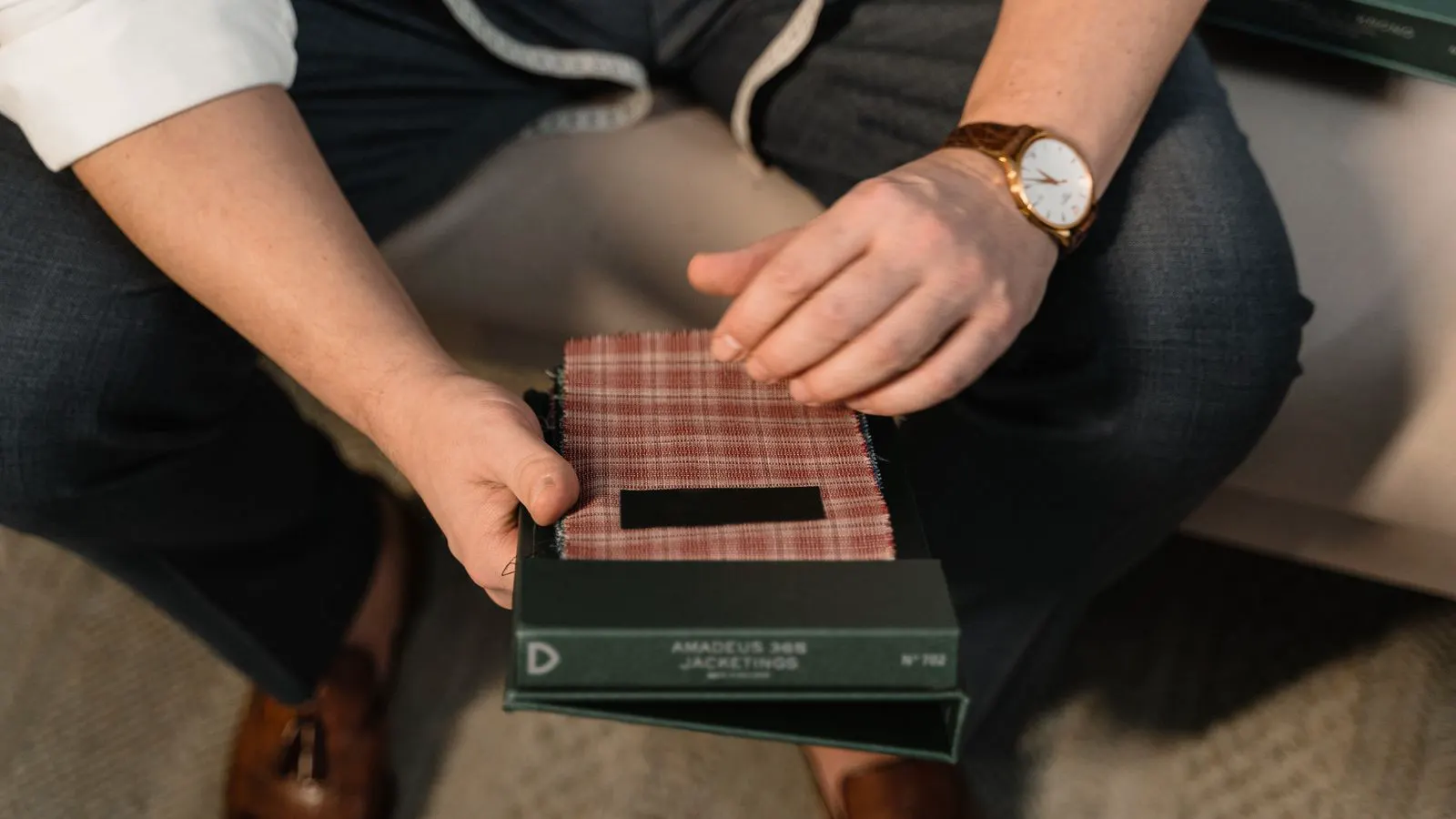
Data sheets and ratings are useful, but they do not show how the fabric will look or feel in the actual space. Always request physical samples of the exact fabric and color being ordered. Conduct a small-scale trial before committing to a full order.
- Request a sample of the production fabric, not a chip.
- Test the sample for color fastness under light exposure.
- Check the hand feel and drape in the intended furniture.
- Install a small number of pieces and monitor for early wear.
Color can shift significantly under different lighting conditions. A sample viewed under store lighting may look different in the actual room. A trial installation allows you to see how the fabric ages, fades, and wears in real conditions. This step catches issues that paper specifications might miss.
Comparison of Fiber Types for Commercial Use
| Fiber Type | Durability | Stain Resistance | Cleaning Ease | Typical Application |
|---|---|---|---|---|
| Polyester | High | High | Easy | Lobbies, waiting areas |
| Nylon | High | Moderate | Easy | Armchairs, sofas |
| Cotton Blend | Moderate | Low | Moderate | Offices, private rooms |
| Acrylic | High | Moderate | Easy | Outdoor-adjacent indoor spaces |
| Wool Blend | Moderate | Low | Difficult | Executive offices, low-traffic |
The table summarizes general tendencies. Always verify specific properties with the manufacturer. A polyester blend may outperform a pure polyester in certain applications, and a wool blend may be preferred for its acoustic properties in a quiet office.
Final Pre-Order Verification
Before placing the final order, confirm all details with the supplier. This last step prevents mismatches and disputes.
- Confirm the exact fabric name and color code.
- Verify the quantity and lead time.
- Re-check the rub count and fire rating documents.
- Agree on the delivery and inspection procedure.
- Document the agreed-upon quality standards.
A clear, written confirmation of all specifications protects both parties. If there are any changes to the fabric or color, update the documentation immediately. This ensures the delivered product matches the requirements defined in the checklist.
Frequently asked questions
What rub count should I target for a hotel lobby?
Target a high rub count rating that exceeds the estimated daily abrasion cycles for the seating. Consult the manufacturer for a rating suited to public assembly spaces with heavy traffic.
Can I use a fabric with a low rub count in a high-traffic room?
No. A low rub count fabric will show visible wear quickly in a high-traffic area, leading to early replacement and a poor appearance. Match the rating to the usage level.
How do I test stain resistance on a sample?
Apply a small amount of the most likely spilled liquid to the sample in an inconspicuous area. Wipe it according to the manufacturer's cleaning instructions and check for staining or residue.
Why is it important to request a physical sample?
Physical samples reveal color, hand feel, and drape in the actual lighting and furniture context. They also allow for wear and stain testing before a full order is placed.
What fire safety documents should I ask for?
Request the fire rating certificate that matches the specific fabric and color being ordered. Verify that the rating complies with local codes for the intended building type.