Upholstery fabrics vary in lead time due to construction method. Woven fabrics often require longer production cycles than printed performance textiles. Procurement managers must match fabric type to project timelines and cost targets to avoid delays.
- Woven upholstery fabrics typically have longer lead times than printed performance textiles.
- Fabric construction method directly impacts production scheduling and delivery reliability.
- Clear RFQ specifications reduce quote variance and help compare quotes fairly.
- Performance textiles may cost more upfront but offer better durability for high-traffic applications.
How Fabric Construction Affects Lead Time
Upholstery fabrics do not all move through the same production pipeline. The difference between a standard woven cotton and a coated polyester performance textile can shift delivery dates by weeks. Procurement managers must look beyond color swatches and examine the manufacturing steps required to produce the material.
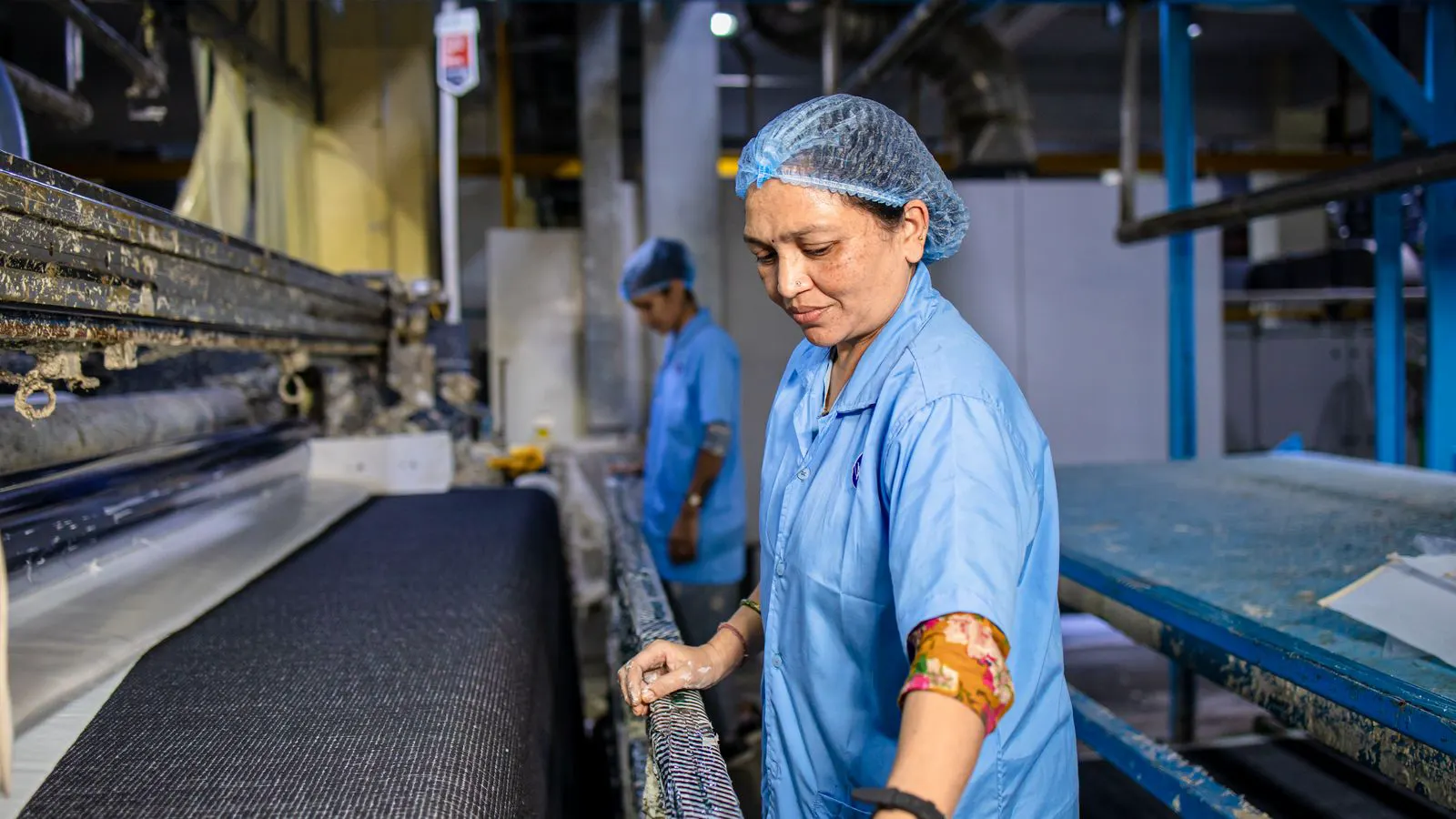
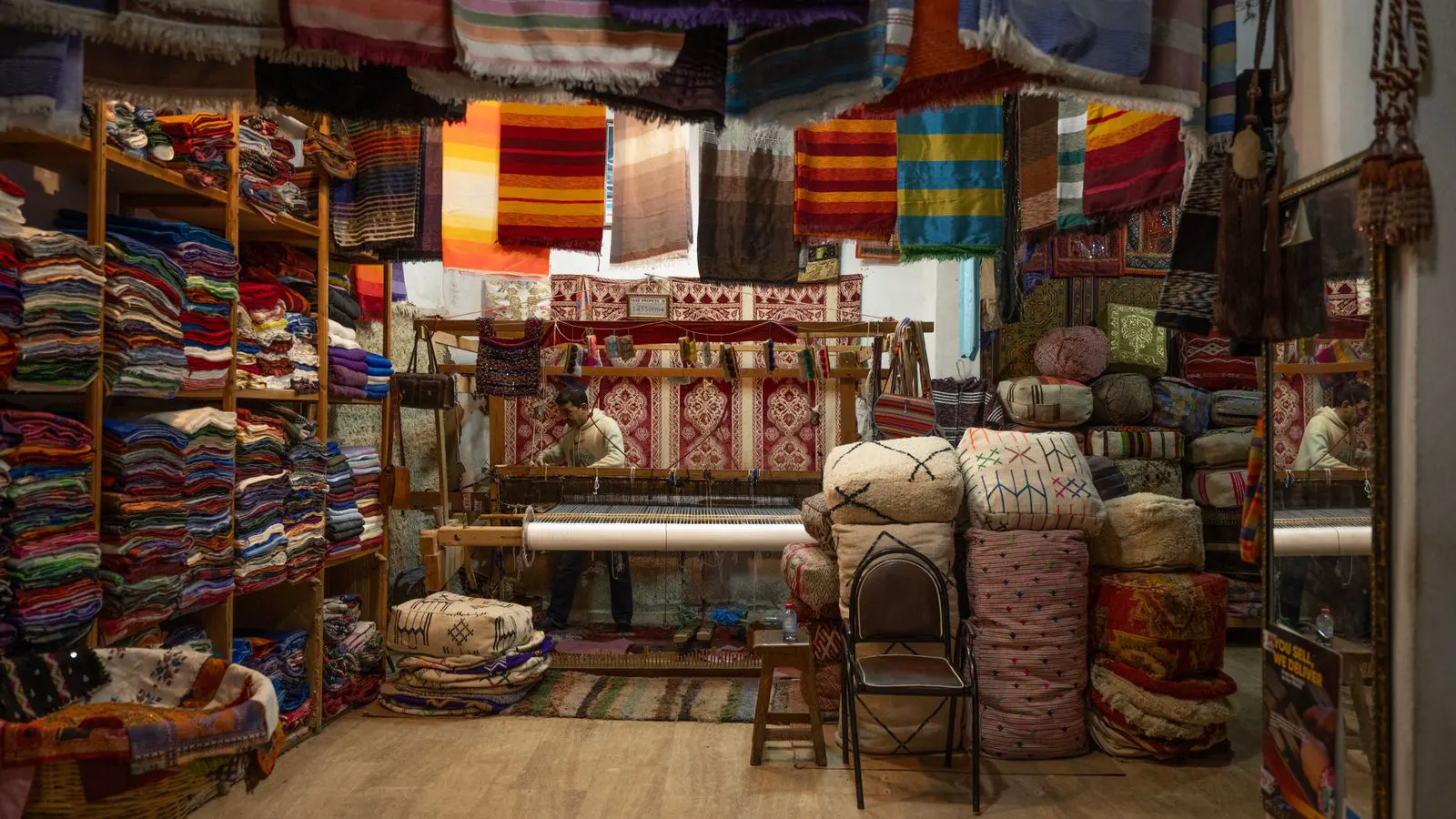
Woven fabrics start with fiber preparation. Spinning creates yarns, which then pass through warping and weaving. Each stage requires setup, inspection, and potential rework. A standard cotton twill, for example, involves carding cotton fibers into slubs, spinning those fibers into yarns, and then warping the loom with a specific tension. If the cotton comes from a new harvest with different moisture content, the spinning operator may need to adjust humidity settings. This adjustment creates delays. Performance textiles often use shorter paths. A base weave may be coated, laminated, or printed in a single line, reducing the number of handoffs.
The impact on schedules is direct. If a project requires a specific weave density or a custom dye lot, the calendar stretches. A custom dye lot requires the mill to mix chemicals, run a pilot batch, and test for colorfastness before mass production. If a project requires a standard performance textile with a small color range, the supplier can pull from existing production runs. The schedule impact depends on the current state of the supplier’s inventory. If the supplier has a 10,000-meter roll of the exact fabric in the warehouse, the lead time is days. If the fabric is in a continuous production cycle, the lead time is weeks.
Weave vs. Performance Textiles: What Drives the Difference
The primary driver of fabric lead time is the complexity of the surface treatment. A plain weave or twill relies on thread interlacing. The final product is defined by the yarn and the loom. There is no coating line to cure or a print unit to align. The main variable here is the yarn. A plain cotton yarn is standard. A wool-blend yarn may require longer drying times in the finishing line to remove residual moisture.
Performance textiles introduce chemical or mechanical steps. A solution-dyed polyester may require controlled dyeing to ensure colorfastness. The dye bath must be heated and held at a specific temperature for a set duration. If the color does not match the standard, the batch must be re-dyed. A fluoropolymer coating needs a curing oven and specific humidity control. The coating is applied as a liquid, then dried in an oven. If the humidity is too high, the coating may not cure properly. This requires rework. A flame-retardant finish adds a testing step that must pass before the roll can be released.
These steps create bottlenecks. Coating lines have limited throughput. If a machine is down for maintenance, the entire production queue slows. Print lines require precise ink mixing and registration. A misaligned pattern means the roll must be rejected. The rejection rate for printed fabrics is higher than for plain weaves because alignment errors are more likely. This increases the effective production time per meter.
How to Write a Clear RFQ for Faster Quotes
A vague Request for Quotation (RFQ) guarantees slow responses and inaccurate pricing. Procurement teams should specify the fabric construction, not just the finish. Listing “soft touch” is subjective. Specifying a microfiber surface with a 500 gsm weight gives the supplier a clear target. You should also include the weave structure. A plain weave behaves differently on a loom than a twill. If the specification only says “cotton,” the supplier may offer a cheaper plain weave that does not suit the application.
Include the quantity in meters or linear feet. Suppliers need this number to determine if the order is a single production run or part of a continuous cycle. A small order may require a dedicated line change. A large order may be scheduled into existing capacity. For example, if you order 5,000 meters of a standard polyester twill, the supplier will likely add your order to an existing production run. If you order 500 meters of a custom color, the supplier may need to clear the line and set up a new dye bath. The administrative cost is higher for the small order.
State the required certifications. If the fabric must meet a specific flame standard, say so. If it requires a restricted substance declaration, mention it. These documents take time to prepare. Asking for them in the initial RFQ allows the supplier to factor that administrative work into the lead time. Some suppliers only prepare these documents after the order is confirmed. This delays the start of production.
A Table of Cost and Lead-Time Drivers
The following table highlights the main factors that influence both price and delivery speed. Use this list to structure your comparison matrix when evaluating bids.
| Driver | Impact on Cost | Impact on Lead Time |
|---|---|---|
| Fiber Content | Synthetic fibers are generally cheaper than natural fibers. | Natural fibers may require longer drying or processing times. |
| Surface Finish | Coatings and laminations add material and labor cost. | Coating lines have limited capacity, extending schedules. |
| Color Method | Custom dyeing increases labor and chemical use. | Standard colors come from stock; custom colors need a new batch. |
| Quantity | Low volumes carry higher per-unit overhead. | Small orders may wait for a full production slot. |
| Certifications | Testing and documentation add administrative cost. | Certification testing can delay shipment by days or weeks. |
How to Compare Quotes Fairly
Suppliers often quote the fabric price without including the full cost of ownership. One bid may show a low unit price but a long lead time. Another may charge more upfront but deliver faster. To compare fairly, normalize the quotes.
Adjust the lead time to a common baseline. If Supplier A offers a 12-week lead time and Supplier B offers 8 weeks, calculate the carrying cost of the extra four weeks. If your project has a hard deadline, the faster delivery may be worth the higher unit price. Consider the cost of storage. Fabric rolls take up warehouse space. If you are holding the fabric for four extra weeks, you are paying for that space. If you are building a large furniture collection, the fabric is a major component. A delay in fabric delivery stops the upholstery shop.
Check the minimum order quantity. If the minimum is 500 meters and you only need 100, the effective cost per meter spikes. Ask for pro-rata pricing or consider a different supplier with a lower minimum. Some suppliers charge a setup fee for small orders. This fee covers the labor and materials used to prepare the dye bath. If you order multiple small quantities of different colors, the setup fee is amortized over the total order.
Review the payment terms. Net 60 days requires more working capital than Net 15. If cash flow is tight, a slightly higher price with shorter terms might be the better financial decision. Negotiate the terms based on your cash flow needs. If you are a large furniture manufacturer, you may have the use to negotiate Net 90 days. If you are a smaller workshop, you may need to pay a deposit to secure the order.
Managing Delivery Risk in Procurement
Lead times are estimates, not guarantees. Unforeseen issues happen. A raw material shortage can halt a spinning mill. A power outage can stop a coating line. A customs delay can hold a container at the port. The risk is highest when the supplier is in a region with high demand or low supply capacity.
To manage this risk, build buffer into your project schedule. Do not assume the supplier will hit the promised date. Plan for a 10 to 20 percent buffer on critical materials. If the project is a launch, add more buffer. If the fabric is for a commercial contract with a penalty for late delivery, the buffer must be larger. A 20 percent buffer on a 12-week lead time is two and a half weeks. This gives you time to deal with unexpected issues.
Ask for a production schedule. A good supplier will share the status of your order. Knowing that your fabric is currently in the coating stage helps you anticipate delays. If you only hear back when the order ships, you are flying blind. Request a weekly status update during the production phase. This allows you to identify problems early. If the supplier is behind schedule, you can take corrective action.
Consider dual sourcing. For high-volume projects, split the order between two suppliers. If one falls through, you still have material on hand. This strategy adds complexity to procurement but reduces the risk of a single point of failure. You must manage two quality control processes and two shipping schedules. The administrative burden is higher. However, the risk reduction is significant for large projects.
Common Mistakes That Extend Lead Times
The most common mistake is specifying a fabric without confirming color availability. A supplier may have the weave in stock but not the exact shade. Dyeing a new color takes time. If you need the fabric next month, you should have confirmed the color lot during the sample phase. Always request a physical sample of the final fabric, not just a color chip. The color chip may look correct under artificial light, but the actual fabric may differ in shade.
Another error is ignoring seasonal demand. Spring and summer often see higher demand for furniture upholstery. Suppliers may have longer queues during these months. If your project is for a holiday retail launch, order the fabric earlier than you think necessary. The lead time during peak season is longer because the production lines are fully use. There is no spare capacity to absorb an urgent order.
Finally, do not change specifications late in the process. A request to switch from a standard weave to a textured weave after the order is confirmed will reset the production schedule. Lock in the technical details before signing the purchase order. Once the fabric is in production, any change requires a rework process. This adds cost and time. The purchase order should be the final document that defines the fabric.
Frequently asked questions
What is the typical difference in lead time between woven and performance fabrics?
Woven fabrics often have longer lead times because they require more processing steps. Performance textiles may have shorter cycles if they use standard base weaves and coatings.
How does order quantity affect fabric delivery speed?
Larger orders are usually scheduled into existing production capacity, which can be faster. Small orders may require a dedicated line setup, which adds time.
Can I get a performance textile with a shorter lead time?
Yes, if the base fabric is in stock and the coating is a standard process. Custom colors or complex laminations will extend the timeline.
What should I include in an RFQ to get an accurate lead time?
Include the specific construction, weight, color method, quantity, and any required certifications. These details allow the supplier to schedule the production accurately.
How do I handle a supplier who misses a delivery date?
Document the delay in writing and request a revised schedule. Assess the impact on your project timeline and negotiate for partial delivery or alternative material if the delay is critical.