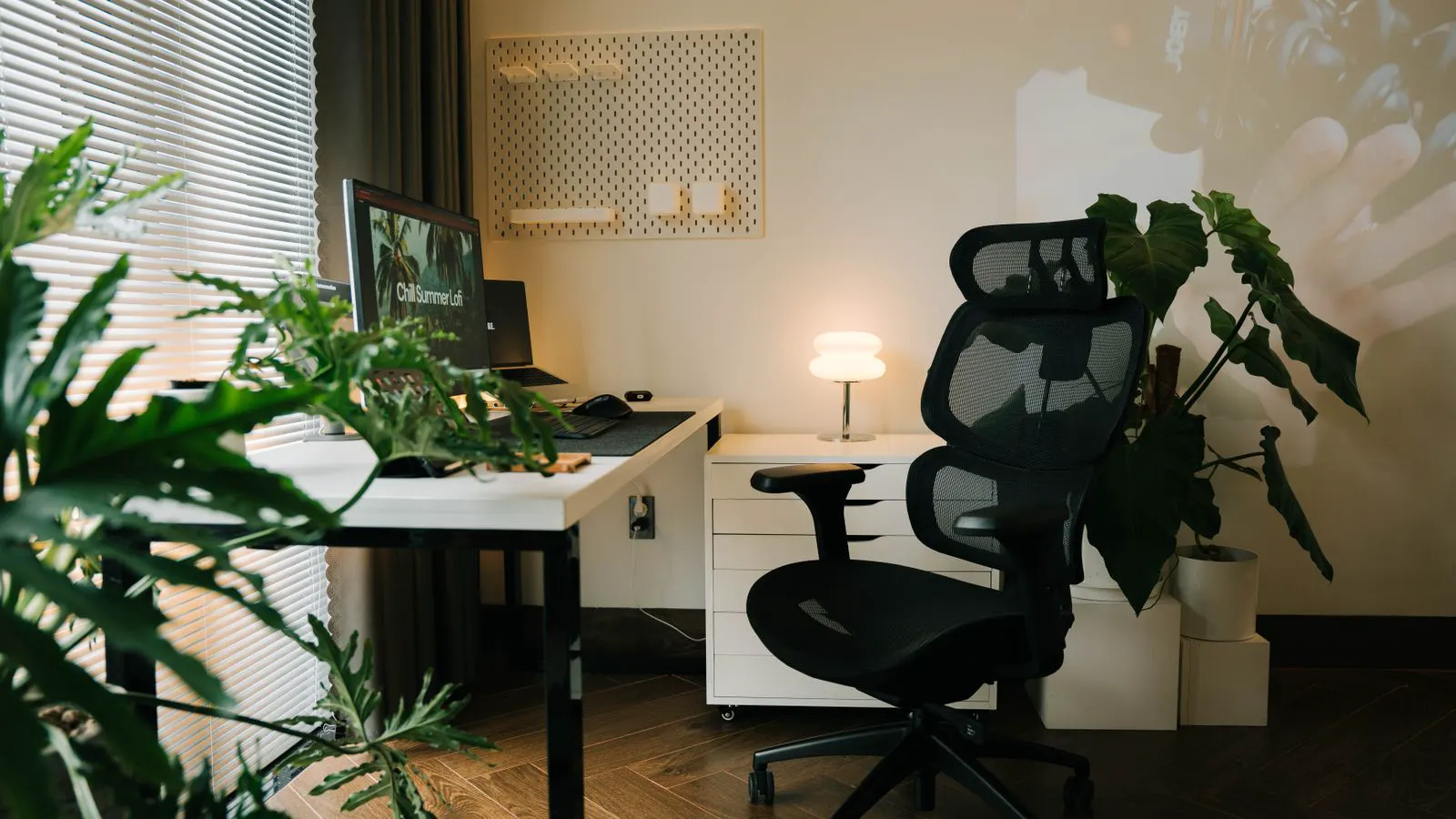
Task chair lead time depends on customization, materials, and production capacity. Office chair cost varies by frame type, foam density, and finish. This guide explains how to evaluate manufacturing lead time and compare ergonomic seating quotes for your procurement team.
- Standardized task chairs move faster than custom models, with lead times ranging from weeks to months.
- Office chair cost is driven by frame materials, foam quality, and the complexity of the adjustment mechanisms.
- A clear RFQ with detailed specifications prevents quote discrepancies and accelerates the evaluation process.
- Comparing quotes on a per-unit basis without accounting for minimum order quantities leads to inaccurate budgeting.
Ergonomic task chairs require a balance between comfort features and production efficiency. Procurement teams often face tight timelines when sourcing these items for large office rollouts. Understanding the variables behind task chair lead time and office chair cost helps buyers set realistic expectations. This guide breaks down the production cycle and pricing structure for professional seating.
What determines the base production cycle?
The base cycle for a standard task chair usually involves several distinct stages. Raw material procurement is the first bottleneck. Steel tubing, aluminum frames, and gas cylinders must meet specific tolerances. Foam sheets are cut to density specifications. Molding processes for plastic shells require curing periods. Each step adds days to the calendar.
The frame production phase depends heavily on the material choice. Steel tubing is bent, welded, and coated. Aluminum frames are often extruded and then machined to fit specific joints. Both require quality control checkpoints to ensure structural integrity. If a vendor uses a sub-contractor for frame fabrication, the coordination time between internal and external teams can add days to the schedule.
Customization extends this cycle significantly. A basic chair with a fixed backrest moves through the line quickly. A fully adjustable model with dynamic lumbar support, adjustable armrests, and tilt mechanisms requires more assembly steps. More parts mean more quality checks. Each check adds time. If a vendor lacks the tooling for a specific adjustment mechanism, the lead time increases further.
Minimum order quantities (MOQs) also affect scheduling. Vendors often batch production to maintain efficiency. A small order may wait for a larger batch to fill. A large order may get priority, but it locks in production slots. Buyers should align their order size with the vendor’s production rhythm. A vendor that produces five hundred units a month will schedule a two hundred unit order differently than a vendor that produces five thousand units a month. The latter may have a dedicated line for that model, while the former may mix it with other products on a shared line.
How do materials impact the final price?
Materials represent a major portion of the office chair cost. The frame is the structural backbone. Steel frames are cost-effective and durable. Aluminum frames are lighter but often cost more. Plastic shells vary widely. High-density polypropylene is standard. Premium shells may use recycled materials or specialized coatings.
The seat and back foam is another key cost driver. The density and resilience of the foam determine how long the chair holds its shape. High-density foam costs more but performs better over time. Low-density foam compresses quickly, which may not meet long-term ergonomic needs. Foam is usually ordered by volume, and the density is measured in kilograms per cubic meter. A slight increase in density can raise the material cost per chair without changing the physical size of the cushion.
Gas cylinders and adjustment mechanisms are often overlooked in budgeting. A basic cylinder is inexpensive. A premium cylinder with multi-level height adjustment and smooth operation costs significantly more. The same applies to armrests. Fixed armrests are cheap. Four-directional adjustable armrests add to the unit cost. The mechanism itself is a small part, but the housing and the screws that attach it to the frame increase the bill of materials.
How does customization change the lead time?
Customization is the single biggest factor in extending the task chair lead time. Color and finish options add steps. Powder coating requires a curing oven. Fabric options require pattern matching and cutting. Each unique color or fabric creates a separate production run.
Branding adds complexity. Logo placement methods vary. Embroidery requires needle work. Laser etching requires precision tools. Pad printing requires alignment. Each method has its own setup time. A vendor may charge a setup fee for small runs. If the logo is placed on the backrest, the process may involve a separate assembly station. If the logo is printed on the fabric, it must be cut and sewn before the foam is inserted into the shell.
Specialized mechanisms extend the cycle even further. A standard tilt mechanism is off-the-shelf. A custom mechanism or one from a specialized supplier may not be in stock. If a vendor must source a specific part, the lead time extends by whatever time that part takes to arrive. Some mechanisms are proprietary to specific suppliers, meaning a vendor cannot switch to a substitute part without redesigning the chair.
How to write a clear RFQ for accurate quotes
A vague request leads to vague quotes. A Request for Quotation (RFQ) needs specific details. List the exact model or reference if available. If designing a new chair, provide a detailed specification sheet. Include dimensions, weight capacity, and material requirements.
State the quantity clearly. Break down the order if it spans multiple years. Specify the delivery location. Incoterms matter. Delivery to the port is different from delivery to the warehouse. Clarify whether the quote includes freight, insurance, and customs. A quote listed as “FOB” means the price covers the cost to the shipper’s port. A quote listed as “DDP” means the price covers the cost to the final destination, including customs.
Request a breakdown of costs. Ask for the unit price, tooling costs, and MOQ. Ask about payment terms. Ask about sample lead times. A sample is a physical representation of the final product. It should be evaluated before placing a bulk order. The sample lead time is often separate from the production lead time. A sample may take four weeks to arrive, while the production run may take ten weeks to complete.
How to compare quotes fairly?
Do not compare the first number on the page. Two vendors may offer the same chair at different unit prices. The difference may be in the included features. One quote may include a five-year warranty. Another may include only one year. One may include freight. Another may not.
Calculate the total cost of ownership. Factor in the cost of samples, tooling, and any setup fees. Divide by the total number of chairs. A higher unit price with no tooling fee may be cheaper than a low unit price with a high tooling fee. If the tooling fee is amortized over the order, the effective unit cost changes. A tooling fee of one thousand dollars spread over five hundred chairs adds two dollars to the unit cost.
Check the production capacity. A vendor with a low quote may have a backlog. The quoted lead time may be optimistic. Ask for a realistic production schedule. Ask for references from similar projects. Ask about their quality control process. What checks are performed before the chairs leave the facility? A reputable vendor will describe their inspection points. They will check the frame for welds, the foam for density, and the mechanisms for smooth operation.
Cost and lead time drivers at a glance
The table below summarizes the primary factors that influence pricing and delivery schedules. Use this as a checklist when evaluating bids.
| Driver | Impact on Cost | Impact on Lead Time |
|---|---|---|
| Frame Material | Steel is lower cost. Aluminum is higher cost. | Aluminum may require longer curing or finishing. |
| Foam Density | Higher density increases material cost. | No direct impact if foam is in stock. |
| Adjustment Level | More adjustments increase assembly cost. | More adjustments increase assembly and testing time. |
| Customization | Unique colors or logos add setup fees. | Custom runs extend the cycle significantly. |
| Order Size | Larger orders reduce per-unit cost. | Larger orders may secure priority in the schedule. |
How to manage the production schedule
Once a vendor is selected, the schedule begins. Confirm the production start date in writing. Send a detailed production instruction sheet. This document should reiterate the specifications, packaging requirements, and labeling needs.
Monitor the progress. Request production updates at key milestones. After frame assembly, after foam installation, and after final assembly. If a delay occurs, ask for a revised timeline immediately. Do not wait until the ship date to find out there is a problem. A delay in the foam supply can push the entire schedule back by two weeks. A delay in the powder coating oven availability can push the schedule back by one week.
Plan for quality inspection. A third-party inspection is often recommended for large orders. The inspector checks dimensions, weight, and function. They also check the packaging. Damaged chairs in transit are a common issue. Proper packaging is a non-negotiable part of the contract. The chair should be boxed in a corrugated carton with cushioning material around the frame and the foam. The boxes should be stacked in a way that prevents crushing during transit.
Common mistakes in procurement
Buyers often underestimate the time for samples. A sample can take several weeks. If the sample is rejected, the cycle repeats. This eats into the project timeline. A buyer who wants a chair delivered in three months but does not order a sample until month two will find the timeline impossible. The sample must be approved before the production order is confirmed.
Another mistake is ignoring the warranty terms. A chair that breaks after six months is a liability. A chair with a strong warranty is a safer investment. Read the warranty carefully. Understand what is covered and what is excluded. Some warranties cover the gas cylinder and the tilt mechanism. Others exclude the fabric or the foam. If the fabric tears, the warranty may not apply. If the gas cylinder fails, the warranty may cover it.
Finally, buyers often focus too much on the unit price and not enough on the total value. A chair that lasts ten years is a better investment than a chair that lasts three years, even if the initial cost is higher. Evaluate the product based on its full life cycle. A chair that requires no maintenance and holds its shape for a decade is a better asset than a chair that requires re-upholstering and replacement of the gas cylinder every few years.
Frequently asked questions
What is the standard lead time for a task chair?
Standardized models typically have shorter lead times than custom designs. The exact duration depends on the vendor's capacity and the specific features requested.
How does the office chair cost change with customization?
Customization usually increases the cost. Unique colors, fabrics, and logos require additional setup and production steps that are not included in standard pricing.
What is the best way to verify a vendor's lead time?
Request a detailed production schedule. Ask for references from similar projects. Confirm the lead time in writing and include penalties for delays in the contract.
Can I order a small quantity to test a design?
Yes, but be aware of the minimum order quantity. Some vendors require a higher MOQ for custom designs. The per-unit cost for a small run will be higher.
How does the delivery location affect the quote?
The delivery location affects the freight and insurance costs. Delivery to a port is different from delivery to a warehouse. Always specify the exact destination in the RFQ.